Short answer
Choose vinyl if you want the lowest installed cost and you're not staying in the house forever — quality vinyl is a legitimate product and it's roughly 40-70% cheaper installed. Choose fiber cement if you're staying ten-plus years, the house has architectural detail worth doing well, or you want something that shrugs off hail, heat and impact. Both are good choices for the right owner.
There's no universally correct answer here, which is why the pitch you get usually depends on what the company prefers to install. Here's how to actually decide.
The honest comparison
| Vinyl | Fiber cement | |
|---|---|---|
| Installed cost, average home | $7,000 – $14,000 | $12,000 – $25,000 |
| Expected service life | 20 – 30 years | 30 – 50 years |
| Impact resistance | Moderate; can crack in cold | High |
| Wind performance | Good if fastened correctly | Very good |
| Fire | Combustible | Noncombustible |
| Color change later | Not practical | Repaint any color |
| Weight and install difficulty | Light, forgiving | Heavy, spec-sensitive |
| Maintenance | Wash occasionally | Wash; repaint eventually |
Three questions that settle it
1. How long are you staying?
This is the biggest one. Fiber cement's advantages are durability advantages, and durability only pays if you're there to collect it.
- Under 5 years: quality vinyl. Put the difference toward whatever else the house needs.
- 5 to 10 years: either. Decide on looks and budget.
- 10+ years, or this is the forever house: fiber cement usually wins on total cost of ownership.
2. What does the house look like now?
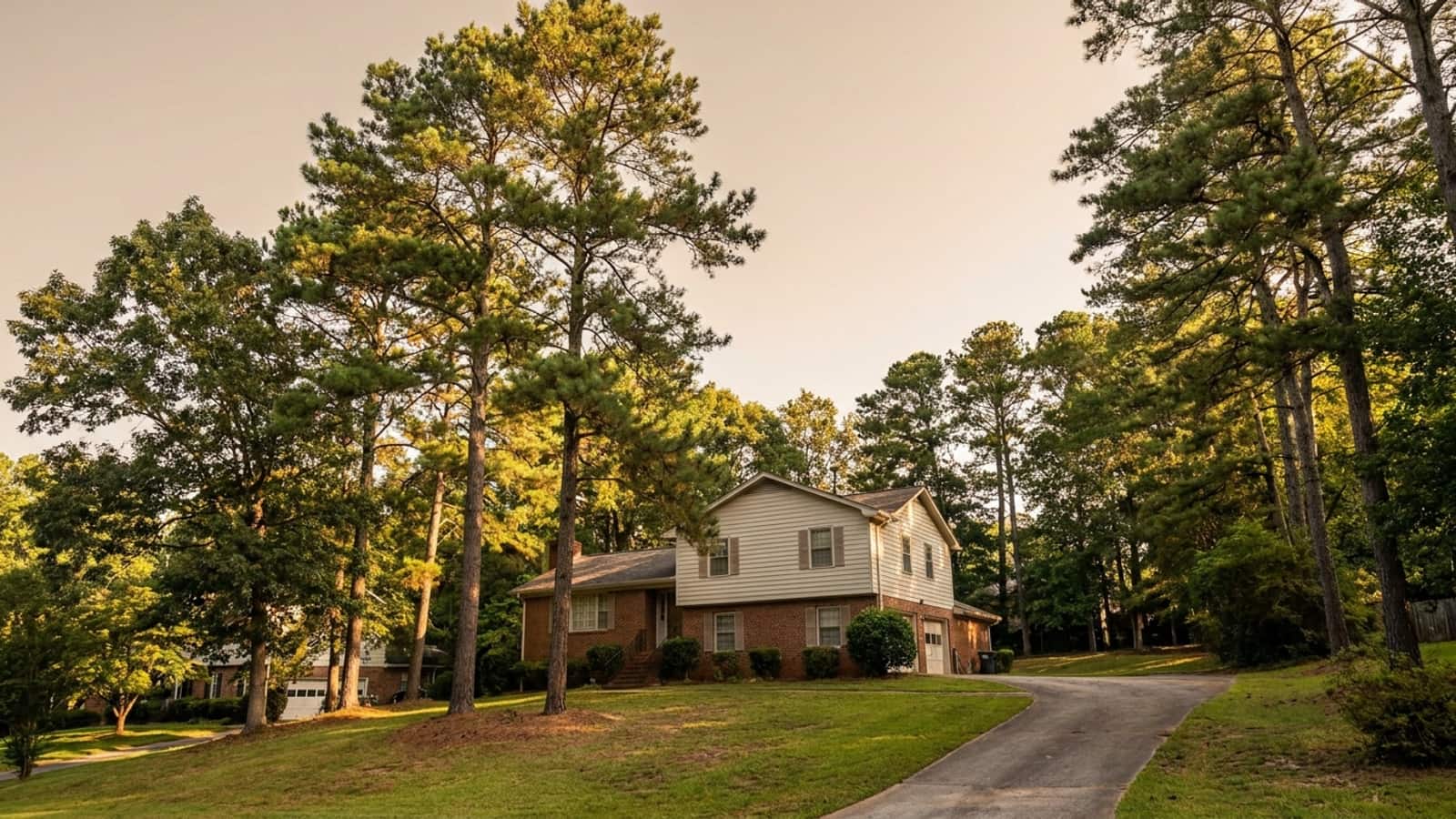
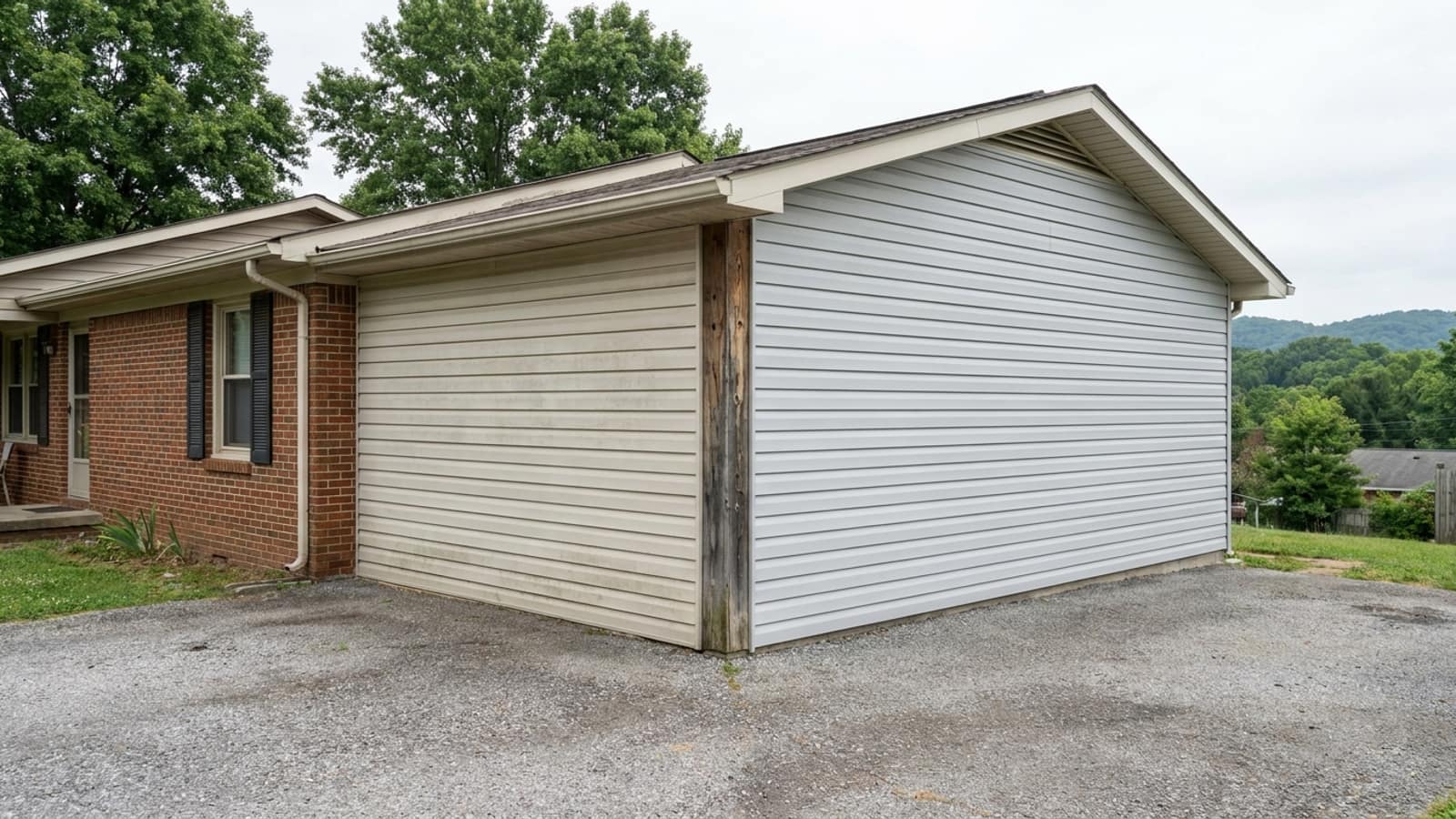
Some houses carry vinyl beautifully — simple gable ranches, straightforward two-stories, anything where the siding is a background element.
Other houses have detail that vinyl flattens. Craftsman bungalows, older homes with substantial trim, anything with a lot of gables and brackets. On those, fiber cement's crisper edges and thicker profile make a visible difference, and the trim package is a big part of why.
3. What's actually failing?
If you're replacing because the old siding looks tired, you have a free choice.
If you're replacing because of water damage, pay attention: the siding is only half the system. The house wrap, the flashing at windows and doors, and the details at roof-wall intersections are what actually keep water out. A premium siding installed over a bad water-management detail will leak exactly like the cheap one did.
What people get wrong about vinyl
"Vinyl always looks cheap." Entry-level vinyl does. Premium lines with a thicker gauge, insulated backing and deeper profiles are a genuinely different product. Ask to hold the actual panel.
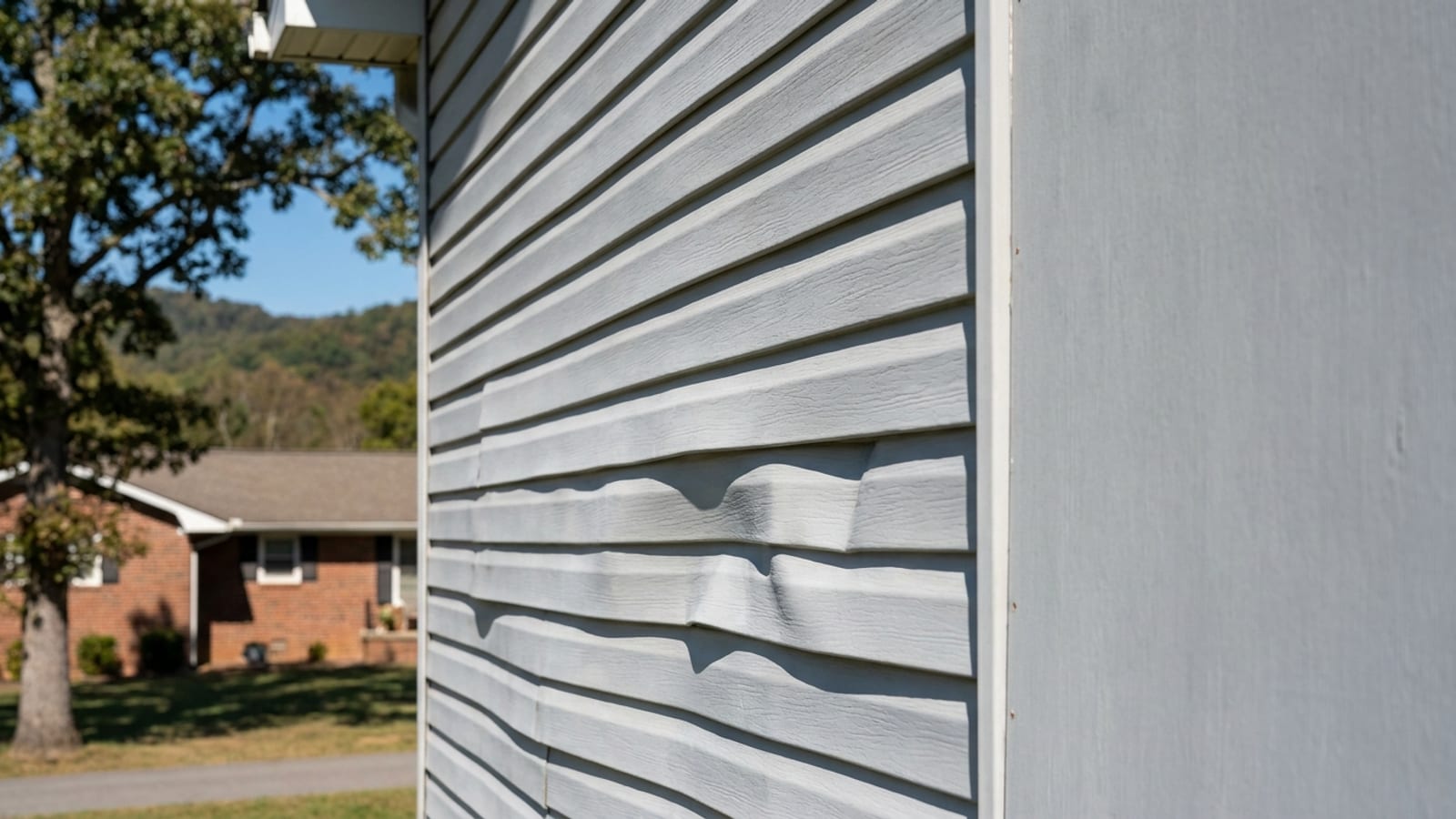
"Vinyl melts." It can deform from concentrated reflected heat — a low-E window on a neighboring house focusing sun on one spot, or a grill too close to the wall. It's a real phenomenon and a narrow one.
"Insulated vinyl will cut my power bill a lot." It adds a modest amount of R-value and it makes the panel feel more solid. It is not a substitute for attic insulation, and anyone selling it as a major efficiency upgrade is overselling.
What people get wrong about fiber cement
"It's maintenance free." It's low maintenance. It still needs washing, the caulk joints need attention over time, and it will eventually need repainting — on a long cycle, but not never.
"It can't be damaged." It's very impact resistant, not indestructible. It can chip, and the cut edges need sealing.
"Any crew can install it." This is the expensive misconception. Fiber cement has specific requirements for clearance, fastening depth, joint flashing and cut-edge treatment. Installed outside spec, the warranty doesn't apply and the wall gets wet.
What we install
We're manufacturer-direct on all of it: James Hardie fiber cement, and Everlast, Royal and Mastic on the vinyl and composite side. We're a James Hardie Alliance Select contractor.
Being direct on every line means we don't have a house favorite to push. We'll quote both for your actual house and let the numbers make the argument.
Get both quoted
The comparison stops being abstract the moment you see two real numbers for your own elevations. That's a free visit and about an hour.
Get a free siding estimate and ask for both materials priced.