Short answer
A full siding replacement in metro Atlanta typically runs $12,000 to $25,000 installed, including trim, soffit, fascia and house wrap. Where your house lands in that range depends on square footage, number of stories, how much trim detail the elevations carry, the material you choose, and what the sheathing looks like once the old siding comes off. The only way to get a real number is a free in-home estimate, because no two walls are found in the same condition.
A full siding replacement in metro Atlanta typically runs $12,000 to $25,000 installed for an average home, and that number includes trim, soffit, fascia and house wrap, not just the panels on the wall. Where a specific house lands in that range comes down to five things: how many square feet of wall there are, how many stories, how much trim and architectural detail the elevations carry, which material you pick, and what the crew finds on the sheathing once the old siding is off.
That last one is the variable nobody can price from the curb, and it is the reason an honest contractor gives you a range before the walls are open and one itemized number after a real measure.
What does the price actually cover?
A full siding replacement is an envelope job, not a panel job. When we quote a house in Cobb, Gwinnett, Paulding or Fulton County, the number covers the complete system:
- Tear-off and disposal of the existing cladding
- Inspection of the sheathing and framing underneath
- A continuous house wrap and flashing at windows, doors and penetrations
- The siding itself, fastened to manufacturer spec
- Trim, corner boards, soffit and fascia
- Caulking, finish detail and site cleanup
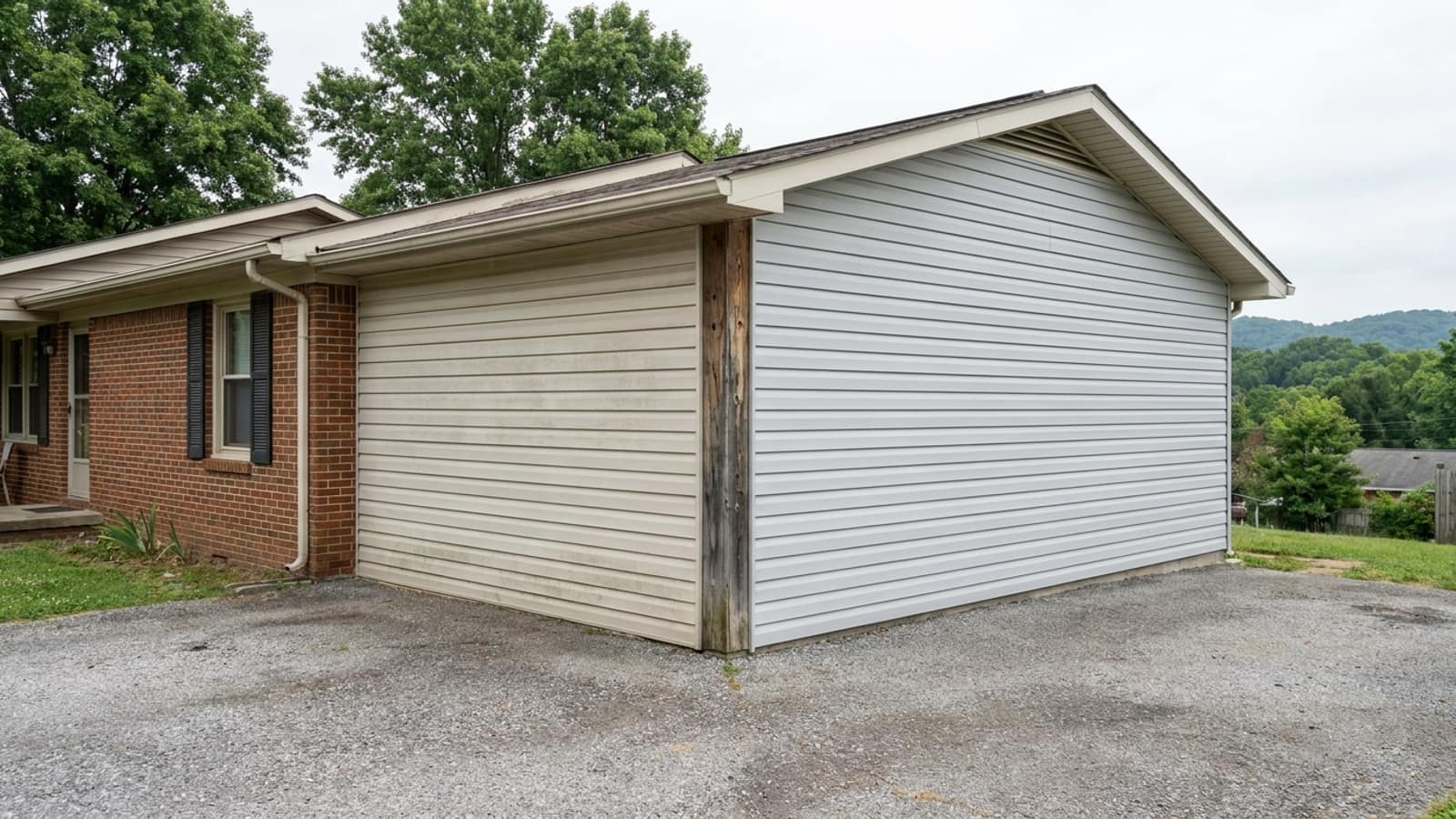
We do full replacement only. We do not side over an existing layer, because that hides the sheathing from view, seals any water damage inside the wall, skips the house wrap, and voids most manufacturer warranties. The savings on the day of the job tend to get spent later with interest.
It is worth being clear about what the range does not include: windows and doors are separate projects with their own numbers. If you are replacing both, doing them in the same window of time is efficient because the trim and flashing details get coordinated once instead of twice.
How does material choice move the number?
Material is the biggest lever you control. Here is how the options we install compare in this market.
| Material | Where it lands in the range | Typical lifespan | Best fit |
|---|---|---|---|
| Royal and Mastic vinyl | Lower half | 20–40 years | Lowest installed cost, low maintenance, moving in under 5–7 years |
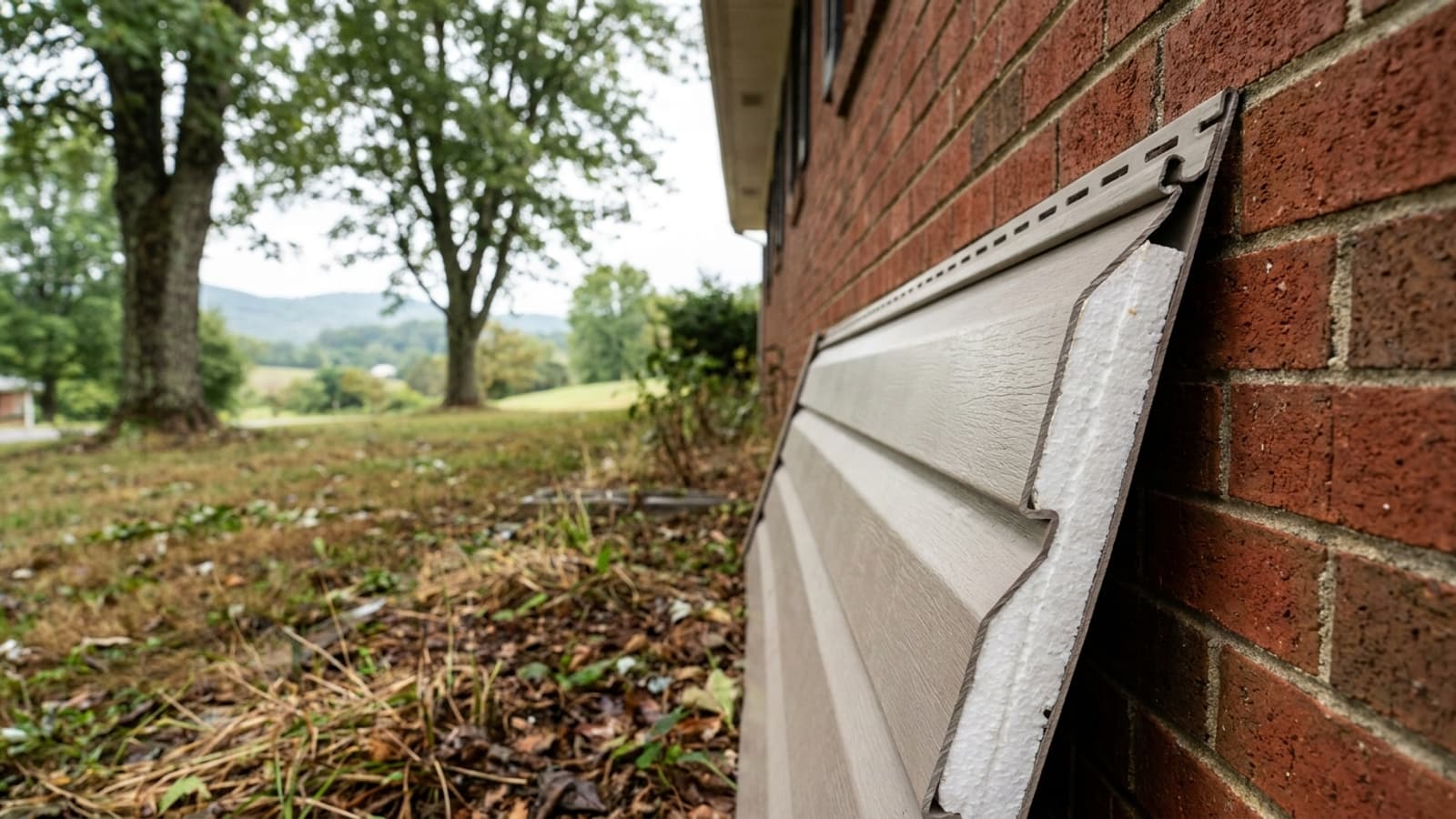
| Insulated vinyl | Middle | 20–40 years | Vinyl budget with added rigidity and a little R-value |
| Everlast composite | Middle to upper | Long-service composite | Impact resistance and a thicker profile without masonry weight |
| James Hardie fiber cement | Upper half | 30–50 years | Staying 10+ years, detailed elevations, fire and impact resistance |
| Stone veneer accents | Priced per area as an accent | Long | Front elevation water tables, column bases, gables |
The honest decision rule is how long you are staying. Under about five years, quality vinyl is a legitimate product and the cheaper installed cost is the right answer. Ten years or more, or a forever home, and fiber cement usually wins on total cost of ownership because the finish holds and the material shrugs off hail, heat and impact. Plenty of metro Atlanta homeowners split the difference: James Hardie on the street-facing elevations where the detail and the curb appeal live, vinyl on the sides and rear. That is a common and perfectly defensible compromise, not a corner cut.
We are a James Hardie Alliance Select contractor, which matters because Hardie's warranty depends on installation details — fastener type and spacing, clearances to grade and roofing, and joint treatment — that are easy to get wrong.
Why do two similar Atlanta houses price differently?
Square footage of wall is the starting point, but it is rarely what separates two quotes on the same street.
Stories and access. A two-story house with a walkout basement on a sloped lot needs staging and scaffolding that a ranch does not. Much of metro Atlanta sits on grade changes, and a rear elevation that is three stories tall at the foundation is a different labor number than the front of the same house.
Trim and detail. Gables, dormers, bay projections, shutters, multiple window openings and decorative brackets all add cut work, flashing and caulk lines. Two houses with identical wall area can be thousands apart if one is a simple rectangle and the other has five rooflines.
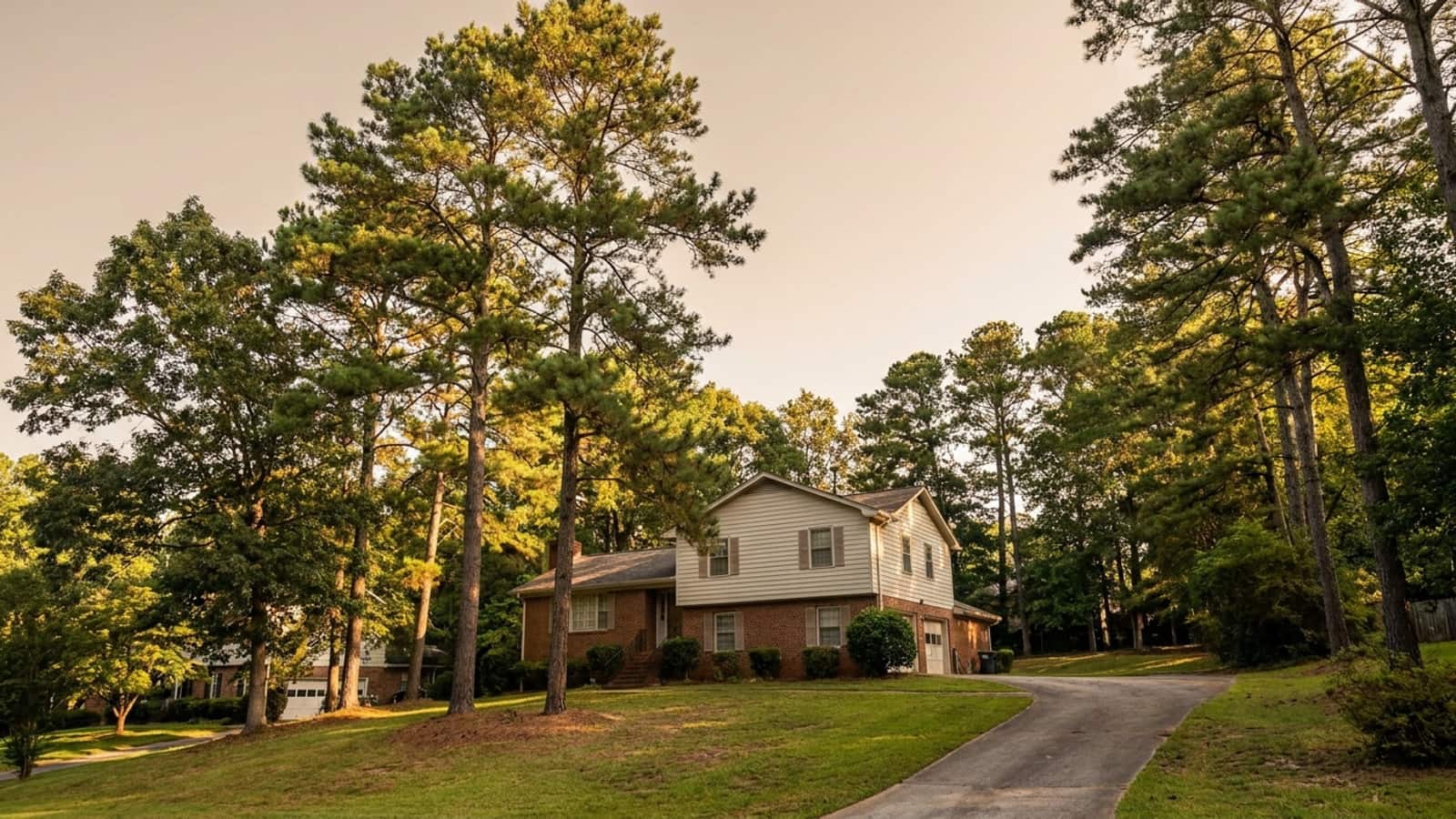
Brick-and-siding elevations. A lot of 1980s through 2000s subdivision stock across Marietta and the surrounding Cobb County suburbs is brick on the first floor with siding above and in the gables. That reduces the siding area, which helps the price, but it concentrates the work in the hardest-to-reach parts of the house and adds a transition detail where cladding meets masonry that has to be flashed correctly.
Trees and pollen. Metro Atlanta's tree canopy is an asset and a maintenance factor. North- and east-facing walls under heavy shade hold moisture longer, which is where mildew and soft spots show up first and where the condition of what is underneath is least predictable.
What happens if there is rot under the old siding?
This is the part of a siding budget that deserves a reserve. Once the old cladding is off, the crew sees the sheathing for the first time. Common findings on older metro Atlanta homes include water damage below window sills, rot at the bottom course where siding sits too close to grade, deteriorated sheathing behind a chronically overflowing gutter, and failed flashing at roof-to-wall intersections.
Repairs get priced and shown to you before they are done, not absorbed quietly or discovered on the final invoice. Most houses need some amount of it. A good practice is to set aside a contingency on top of your quoted number so a few sheets of sheathing do not derail the project.
The related point: fix the water source before new material goes on. A gutter that overflows onto the same corner will do to new siding exactly what it did to the old siding, just more slowly.
How long does the job take, and what is covered after?
Most siding installations run 4 to 7 days depending on the size of the house, with the dates committed in a signed timeline agreement between both parties. The crew works elevation by elevation and the house stays livable throughout.
The finished work carries a 30-year material and labor warranty under the Patriot's Promise. When you compare quotes, read the labor term specifically — a long material warranty paired with a one-year labor warranty is a much weaker promise than it sounds, and siding service calls are usually about installation details rather than defective panels.
How do homeowners pay for a project this size?
Siding is harder to phase than windows because the envelope comes off and goes back on as one system, so the question is usually how to spread one number rather than how to split the work. Most homeowners use cash, a home equity line, an insurance claim when the damage is storm-related, or contractor-arranged financing through the GreenSky® program.
The GreenSky plans we offer include no interest if paid in full within 6, 15 or 18 months, a fixed 6.99% APR for 60 months at $19.80 per month per $1,000 financed, and a fixed 9.99% APR for 144 months at $11.94 per month per $1,000. Zero down for most approved homeowners, subject to credit approval. The promotional plans reward a payoff date you can realistically hit; the fixed-rate terms are for deliberately spreading the cost.
One budgeting note: there is no federal tax credit to count on for siding work performed now. The Energy Efficient Home Improvement Credit ended for property placed in service after December 31, 2025. Build your budget without it.
What should you ask before you sign?
Five questions separate quotes that only look different on price:
- Is this a full tear-off, or is anything going over existing material?
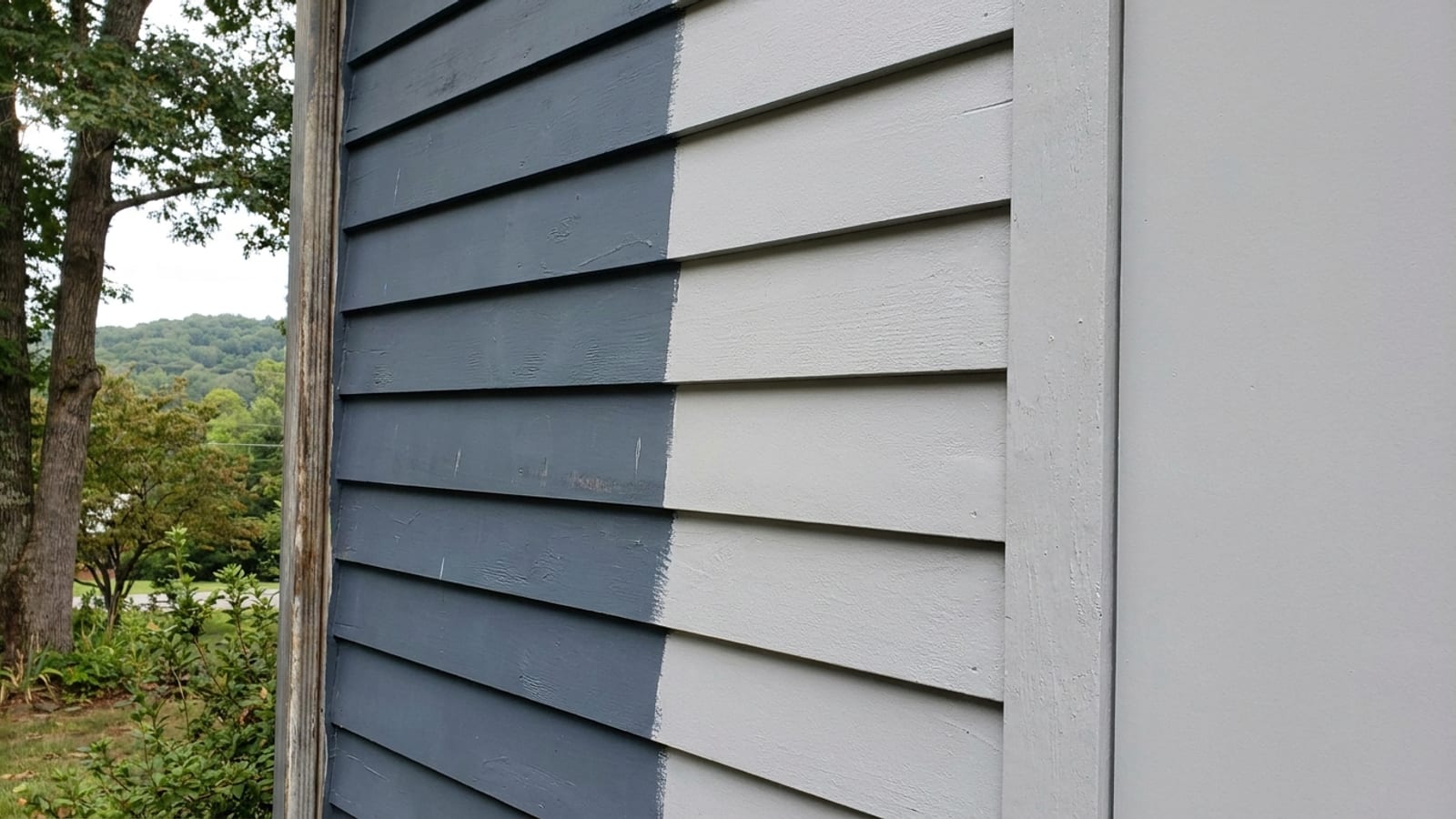
- What exactly is the product line and finish, and is the color factory-applied?
- Does the price include trim, soffit, fascia and house wrap, or are those adders?
- What is the labor term on the warranty, in writing?
- What happens — and what does it cost — if rot is found on the sheathing?
Once those five answers line up between two bids, the price difference finally means something.
The next step
If you want a real number for your house rather than a range, schedule a free in-home estimate. An estimator measures the elevations, looks at the condition of the existing cladding, trim, soffit and fascia, walks the material and color options with you, and leaves you with one itemized price. It is a sales appointment, and it is also the only way anyone can quote siding honestly. Our metro Atlanta office is in Hiram, and there is no trip charge inside the service area.