Short answer
A failed seal is not truly repaired, it is replaced, and the cost depends on how much of the window gets replaced. Swapping only the insulated glass unit in a sound frame is the least expensive route, a new sash sits in the middle, and a complete replacement window runs about $700 to $2,200 installed in our market. Defogging services exist, but they drill the glass and do not restore the gas fill or the original rating.
A window seal failure is not repaired in the way a leaky faucet is repaired. The sealed glass assembly is a manufactured, disposable component, so the real question is how much of the window you have to replace to fix it. The cheapest route is replacing only the insulated glass unit inside a sound frame. The most expensive is a complete replacement window, which runs about $700 to $2,200 per window installed in Tennessee, Georgia and Alabama.
What decides your number is the condition of everything around the glass. A ten-year-old vinyl window with one fogged pane and a perfect frame is a glass job. A thirty-year-old aluminum unit with a soft sill and a sash that no longer latches is a replacement, and spending money on the glass alone would be throwing good money after bad.
What has actually failed when a window fogs up?
A double-pane window is two sheets of glass held apart by a spacer bar around the perimeter, with a sealant holding the whole sandwich together and a desiccant inside the spacer absorbing any stray moisture. The cavity between the panes is filled with dry air or, more commonly on modern units, argon.
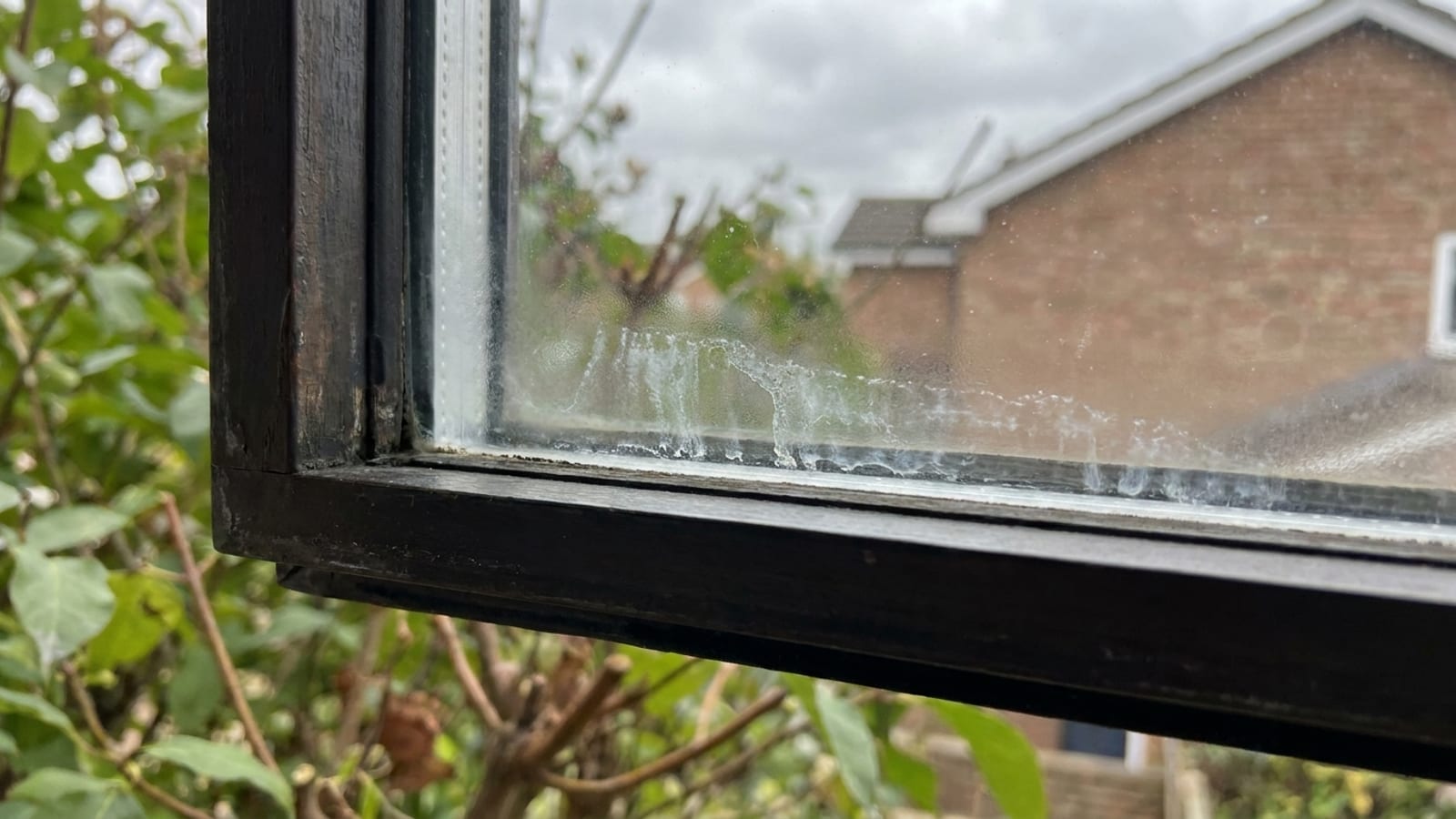
When that perimeter seal gives way, three things happen in order. The gas fill escapes. Humid outdoor air moves in and out of the cavity as the unit heats and cools through the day. The desiccant saturates and stops absorbing, and from that point the moisture condenses on the inner faces of the glass every time conditions are right.
That is the haze you see. Over time it often leaves a permanent mineral streak or a white film etched into the glass, because the water carries dissolved minerals and deposits them as it evaporates. Once the etching starts, even a dry day no longer makes the window look clear.
This is a different problem from water sitting on the room-side surface of the glass on a cold morning. That is indoor humidity meeting a cold pane, and it is a house issue rather than a window defect.
What are the repair options, and what does each one cost?
Four routes exist. They are not equally good, and the cheapest one is the one we recommend least.
| Option | Relative cost | What you get back | When it makes sense |
|---|---|---|---|
| Defogging service | Lowest | Clearer glass, no restored gas fill, no restored rating, drilled holes in the pane | Rarely, and mostly as a cosmetic stopgap before a sale |
| Insulated glass unit only | Low to moderate | New sealed glass with a current low-E coating and argon fill | Frame and sash are sound and square, glass is removable from the sash |
| New sash | Moderate | New glass plus new sash, new weatherstripping and working balances | Sash is worn or the glass is not serviceable, but the frame is solid |
| Full replacement window | $700 to $2,200 installed | New frame, sash, glass, air sealing and trim work | Frame or sill is damaged, unit is out of square, or several windows have failed |
We do not publish a flat price for glass-only or sash-only work because the real number depends on size, shape, glass package and how the sash is built. Every quote we give is one itemized number per opening at a free in-home estimate, not a figure pulled out of the air over the phone.
Why defogging is usually a poor value
Defogging works by drilling one or two small holes in a pane, flushing the cavity, and leaving a vent fitting in place so the unit can breathe. It can make a hazy window look better. It does not put argon back, it does not restore the NFRC rating you paid for, it does not reverse mineral etching, and a vented cavity will keep cycling humid air through the glass for as long as it stays in the wall. You have treated the symptom and kept the defect.
Why glass-only replacement is often the smart play
If the window body is in good shape, a new insulated glass unit built to your measured size restores the performance the window was supposed to have, and on a unit that is more than a decade old you usually get a better low-E coating than the original glass carried. The labor is modest and the disruption is minor. The limit is that not every sash is designed to be reglazed, and some older units are cheaper to replace than to take apart.
When the whole window is the right answer
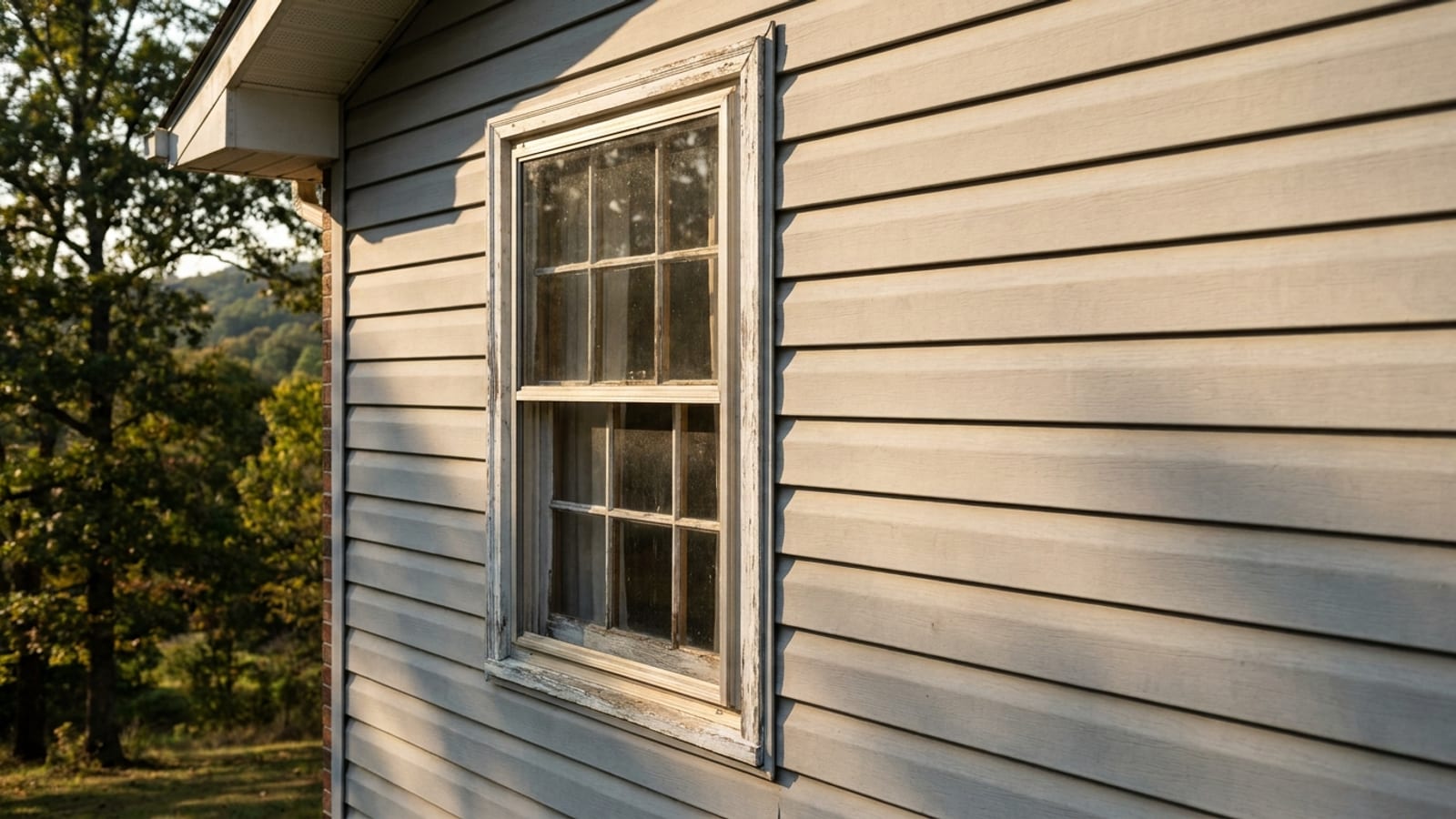
Replace the full window when the frame or sill is rotted or soft, when the opening is out of square and the sash no longer meets the jamb, when the unit is single-pane or an old thermally broken aluminum frame, or when you are looking at fog in four, five or six openings at once. At that point you are not fixing a defect, you are at the end of a product's service life, and pouring glass money into failing frames costs more over five years than doing the job once.
Does a warranty cover a failed seal?
Often, and that is the first phone call to make. Most insulated glass units carry a manufacturer warranty against seal failure for a stated term, and many homeowners pay out of pocket for something they were entitled to have covered. Dig out the original paperwork, the sticker left on the sash, or any etched code in the corner of the glass, because manufacturers can usually trace a production date from it.
Read what the warranty actually covers. A great many warranties in this industry cover the part and not the labor, which means you get free glass and a bill for the visit. That gap is exactly why we put the labor term in writing. The Patriot's Promise on windows is lifetime coverage on material and labor, transferable one time and prorated after that, rather than a lifetime promise on the part alone.
If the window came from a company that is no longer servicing it, you are back to paying for the work, and the comparison in the table above is the one that matters.
Why do seals fail here faster than the brochure suggests?
The Southeast is hard on glass edges. Our service area sits in the ENERGY STAR South-Central climate zone, where summer sun loads a window for hours at a time and the glass expands, then contracts again overnight. That daily movement works the sealant at the perimeter. Add high humidity, which raises the pressure difference pushing moisture into any weakness, and standing water from a sill that does not drain, and you have the three conditions that shorten seal life.
A few things make a measurable difference:
- A warm-edge spacer flexes with the glass instead of fighting it, which reduces stress on the sealant.
- Proper drainage at the sill keeps water from sitting against the bottom edge of the unit, where most failures begin.
- Glass specified by elevation matters, because the west and south walls take the heat cycling that north-facing openings never see.
- Correct installation with the unit square and supported means the sash is not carrying a twist for twenty years.
That last point is why the install method on your quote is not a technicality. A window set out of plumb puts a permanent load on the corners of the glass.
How should you decide between fixing one and replacing them all?
Use a simple test. Count the fogged openings, then look at the frames.
- One fogged unit, frames sound, windows otherwise operating well: replace the glass or the sash and move on.
- Two or three fogged units in windows under fifteen years old: replace the glass on those, and plan ahead for the rest.
- Fog in several openings, or any soft wood, sticking sash or failed lock: price the whole house, because you are looking at an aging product rather than isolated defects.
- You are selling within a year: fix the visible ones so they do not become an inspection line item.
If the count pushes you toward a whole-house number, the payment question comes next. Our financing options include no-interest-if-paid-in-full plans at 6, 15 or 18 months and fixed rates starting at 6.99% APR, with zero down for most approved homeowners, subject to credit approval. One note on budgeting: the federal 25C tax credit no longer applies to property placed in service after December 31, 2025, so plan the project without it.
What is the next step?
Take a photo of each fogged window on an overcast day, when the haze shows best, and count how many you have. Then book a free in-home estimate. An estimator measures every opening you want quoted, checks the frames and sills for rot and square, and tells you honestly which openings need glass, which need a sash and which need the full window, with one itemized price per opening. It is a sales appointment, and it is also the only way anyone can give you a real number instead of a guess.