Short answer
No, the room itself never changes size, but an insert replacement does narrow the visible glass, usually by about an inch to two inches on each side, because the new window sets inside the old frame. Full-frame replacement takes the old frame out down to the rough opening and keeps the glass area, and on a house with bulky old aluminum units it can give you more glass than you have today. The walls, the floor plan and the rough opening stay exactly where they are either way.
No, replacement windows do not make a room smaller. The walls do not move, the floor plan does not change, and the rough opening in the framing stays exactly the size it has always been. What can change is the amount of visible glass, and that is a real effect worth understanding before you sign anything.
The short version: an insert replacement sets a complete new window inside your existing frame, so the new frame material takes up part of the view. A full-frame replacement removes the old frame entirely and rebuilds the opening, which preserves the glass area and sometimes increases it. Both are legitimate methods. Which one your house needs depends on the condition of the frames, not on which one sounds better.
Why does an insert replacement reduce the glass?
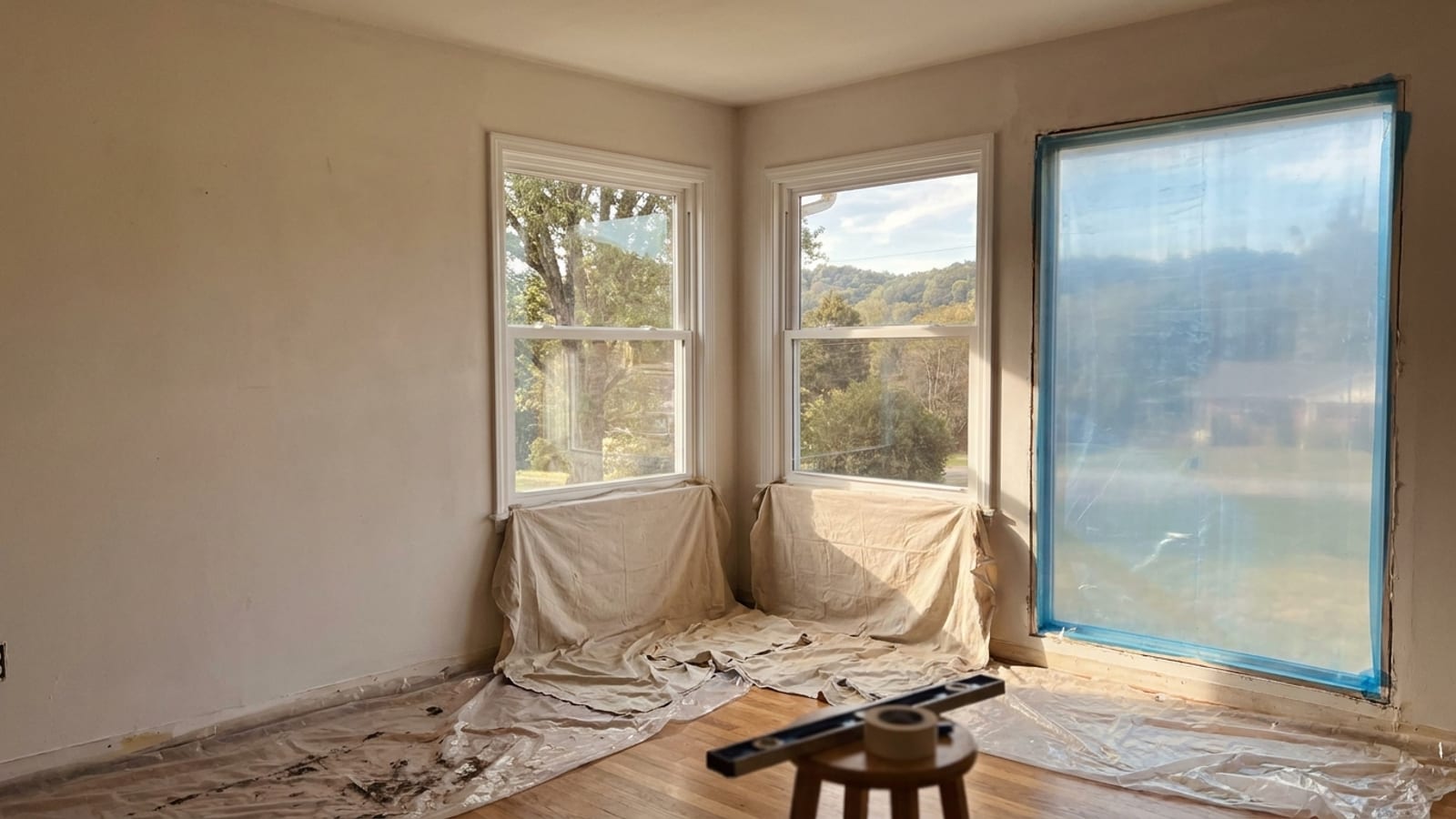
Picture your current window as a box set into a hole in the wall. With an insert, also called a pocket replacement, the crew removes the sashes, the stops and the old balance hardware, then slides a complete new window unit into the empty box and seals it in place. The old frame stays and becomes part of the assembly.
That means the new window brings its own frame, and that frame has to fit inside the old one. The thickness of the new frame is the glass you give up. On a typical vinyl or composite replacement window, that is roughly an inch to two inches off each dimension in total, depending on the frame profile and how much clearance the installer needs to set the unit plumb and square.
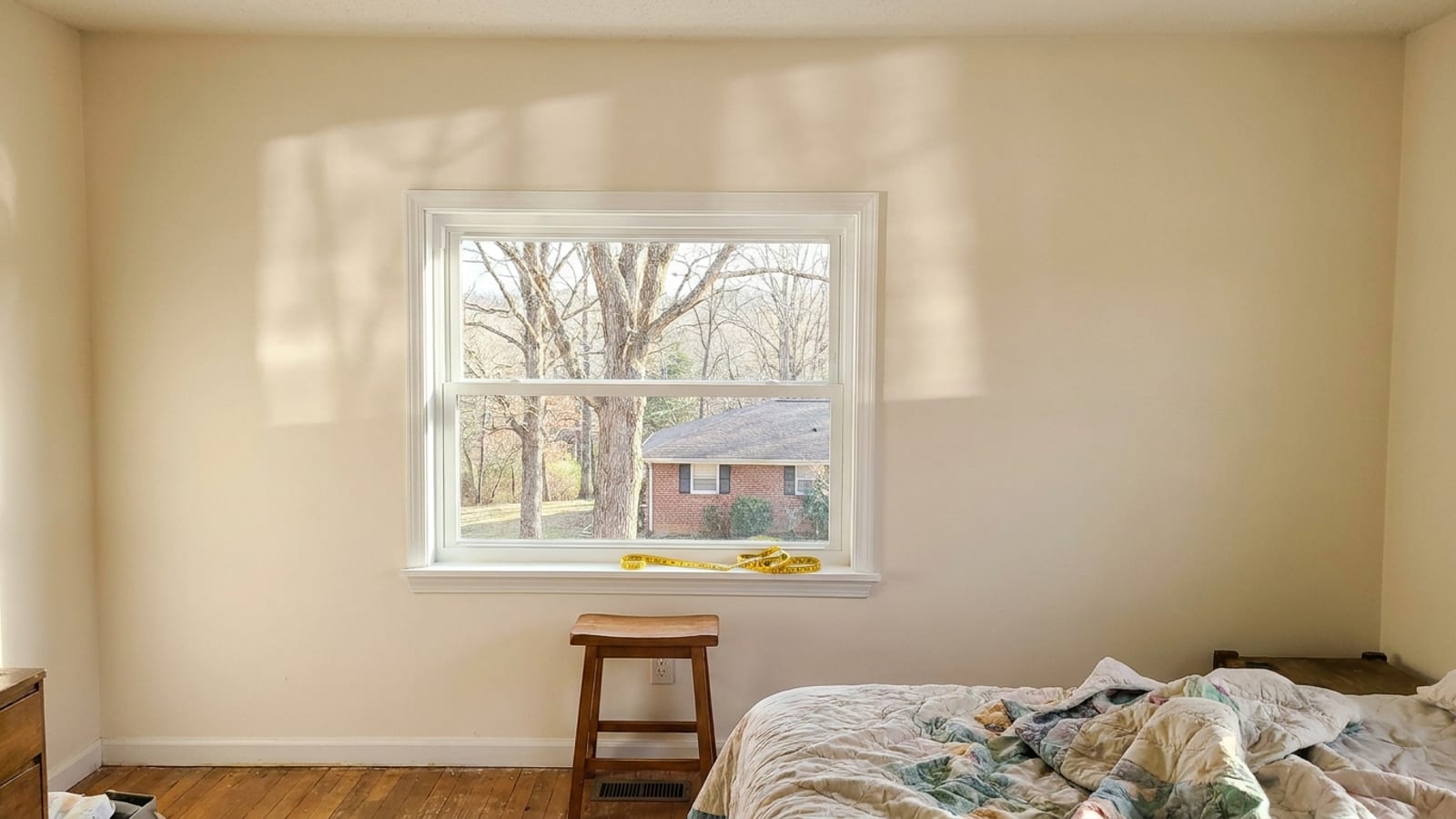
On a 36 by 60 inch window, that is a reduction of a few percent in viewable glass. In a well lit room, most people never notice it. In a small bathroom window that was already modest, or on a bank of narrow windows where the frames read as a pattern, it can be visible from inside.
How much glass does each method actually cost you?
Here is the practical comparison, assuming a sound existing frame and a standard double-hung opening.
| Method | What is removed | Effect on visible glass | Typical added cost | Best fit |
|---|---|---|---|---|
| Insert (pocket) | Sashes, stops, hardware | Loses roughly 1 to 2 inches overall | Baseline | Sound, square wood or vinyl frames |
| Full-frame | Everything to the rough opening | Keeps the glass area, often gains it | Several hundred dollars more per opening | Rot, out of square frames, water history |
| Full-frame over old aluminum | Entire aluminum assembly | Usually a net gain in glass | Several hundred dollars more per opening | 1970s through 1990s aluminum units |
| Enlarging the opening | Wall framing and header | Larger glass, by design | Priced as framing work | Rooms that genuinely need more light |
Replacement windows in our market run about $700 to $2,200 per window installed, and the method is one of the things that moves a given opening inside that range. Full-frame costs more because it is more work: the exterior trim comes off, the opening gets inspected and repaired, and the interior and exterior finishes get rebuilt.
Which houses lose the most glass with an insert?
Old aluminum windows
This is the case where homeowners are often surprised in a good way. Aluminum frames from the 1970s and 1980s are wide, and they carry a thick sash rail on top of that. Going full-frame on an aluminum unit frequently leaves you with more visible glass than you started with, because a modern frame set directly into the rough opening is slimmer than the aluminum assembly it replaced. If you have original aluminum windows and the appearance of the glass matters to you, this is the conversation to have at the estimate.
Wood double-hungs with weight pockets
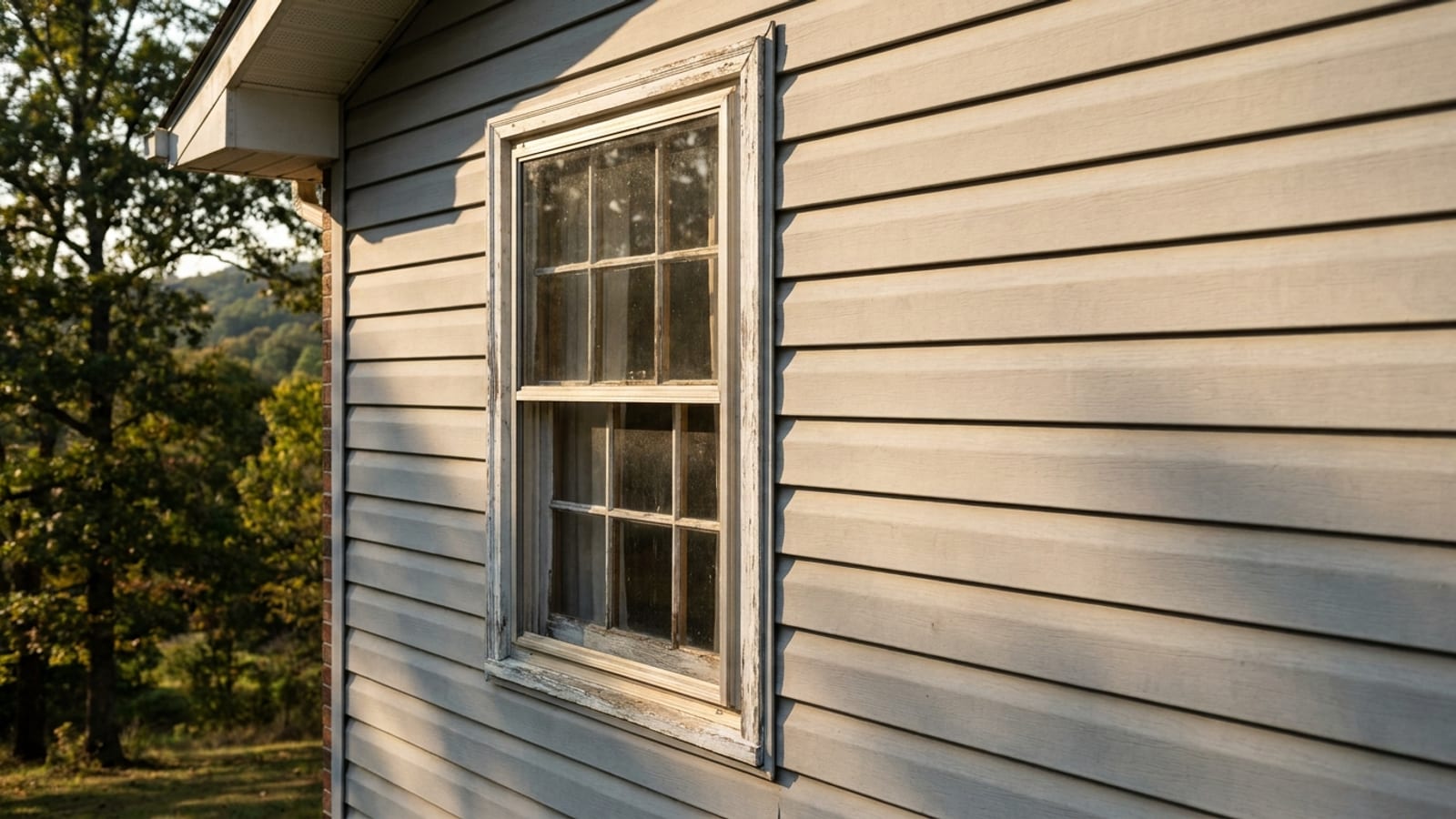
Older wood windows have hollow cavities on each side where the sash weights used to hang. An insert leaves those pockets in the wall, usually with insulation added. A full-frame opens them up, which lets the crew see and treat the sill, the jamb and the pocket itself. On an older home, that look inside the wall is often worth more than the glass area.
Small openings
A percentage loss hurts more on a small window than a large one. Two inches off a 24 inch wide bathroom window is a bigger visual change than two inches off a 48 inch living room window. When a house has a mix, it is perfectly normal for some openings to get inserts and others to get full-frame treatment.
Does the window look smaller from outside too?
Usually not in any way a visitor notices. The exterior trim, the brick mold and the siding opening stay put, so the window reads at the same size from the curb. What changes is the inside edge of the frame and, on an insert, the depth of the sill area where the new unit sits inside the old one. Interior stool and trim work is what makes that detail look finished rather than tacked on, and it should be in the quote either way.
Does a little less glass affect energy performance?
It does not hurt, and it can help slightly. Glass is the weakest thermal part of a window, and frame material insulates better than a sealed glass unit does. Trading a small amount of glass for frame moves the whole-window U-factor in the right direction, not the wrong one.
What matters much more in Tennessee, Georgia and Alabama is the glass package itself. Our entire service area sits in the ENERGY STAR South-Central climate zone, where a qualifying window needs a U-factor of 0.28 or lower and a solar heat gain coefficient of 0.23 or lower. SHGC is the number that decides how a west facing bedroom feels in August. An inch of glass either direction is noise next to that.
Daylight is a fair question, and the honest answer is that most rooms come out even. Replacing clear single pane glass with a low-E coated unit does slightly change how light reads in the room, and that shows up in the first week before your eye adjusts. Ask to see the visible transmittance number on the glass you are quoted if daylight is a priority.
How do you tell which method you are being quoted?
Ask directly, and ask for it in writing on the line item. A quote that says only "replacement window, installed" is not telling you what you need to know, and insert versus full-frame is one of the few differences large enough to explain why two quotes on the same house do not match.
Three questions get you there:
- Is this opening insert or full-frame, and why that one?
- What are the finished glass dimensions after install, compared to what I have now?
- If you open the wall and find rot at the sill, what happens to the price and the schedule?
A company that has actually measured your house can answer all three on the spot. Many homes correctly get a mix of both methods, and a good estimator will tell you which openings fall where and what each one costs.
What about egress and code?
This is the one place where losing glass area can matter legally rather than cosmetically. Bedrooms and basements require a window that meets minimum clear opening dimensions for escape and rescue, and an insert replacement reduces that clear opening along with the glass. In an opening that was already close to the minimum, an insert can put it under, and full-frame becomes the correct answer whether you care about the view or not. When your project requires a permit, we pull it through your local building department, and egress sizing is one of the things the inspector is there to check.
What is the next step?
Nobody can tell you how much glass you will gain or lose without standing in the room with a tape measure. The estimator measures every opening, checks whether the frames are sound and square, tells you which method each opening should get, and gives you one itemized number per window. It is a sales appointment, and it is also the only way to get a real answer instead of an average.
If cost is the deciding factor between insert and full-frame on a whole house, look at the financing options before you cut scope, and read the Patriot's Promise so you know what the lifetime material and labor coverage includes. When you are ready, schedule a free in-home estimate and we will walk your openings with you.