Short answer
Replacement windows in Dalton, GA run about $700 to $2,200 per window installed, and that figure covers the unit, the labor, the sealing, the trim and the cleanup. Most whole-house projects land in the middle of that range, with simple standard openings near the bottom and large or shaped openings near the top. The two things that move a Dalton quote most are how many openings the house has and whether each one can take an insert or needs full-frame replacement.
Replacement windows in Dalton, GA run about $700 to $2,200 per window installed. That is a complete per-opening number — the window itself, the labor, the air sealing, the interior and exterior trim work, hauling away the old unit and the cleanup — not a product price with installation bolted on later.
Where your house lands inside that range comes down to four things: how many openings you have, how big and what shape they are, what frame and glass package you choose, and what the crew finds when the old units come out. Nobody can give you a real number over the phone, and anyone who does is quoting a guess that will change once a tape measure comes out.
What does window replacement cost in Dalton, GA?
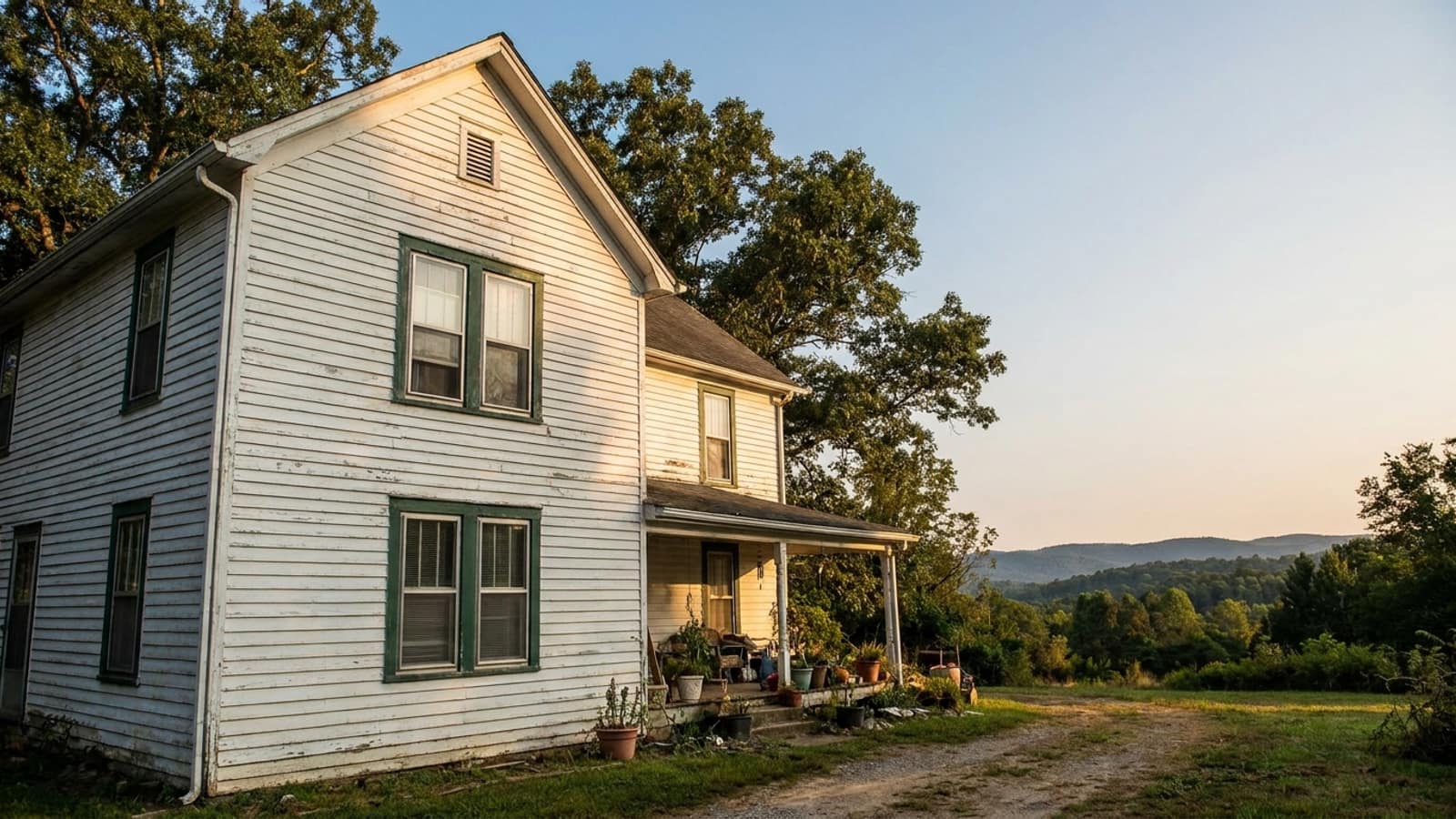
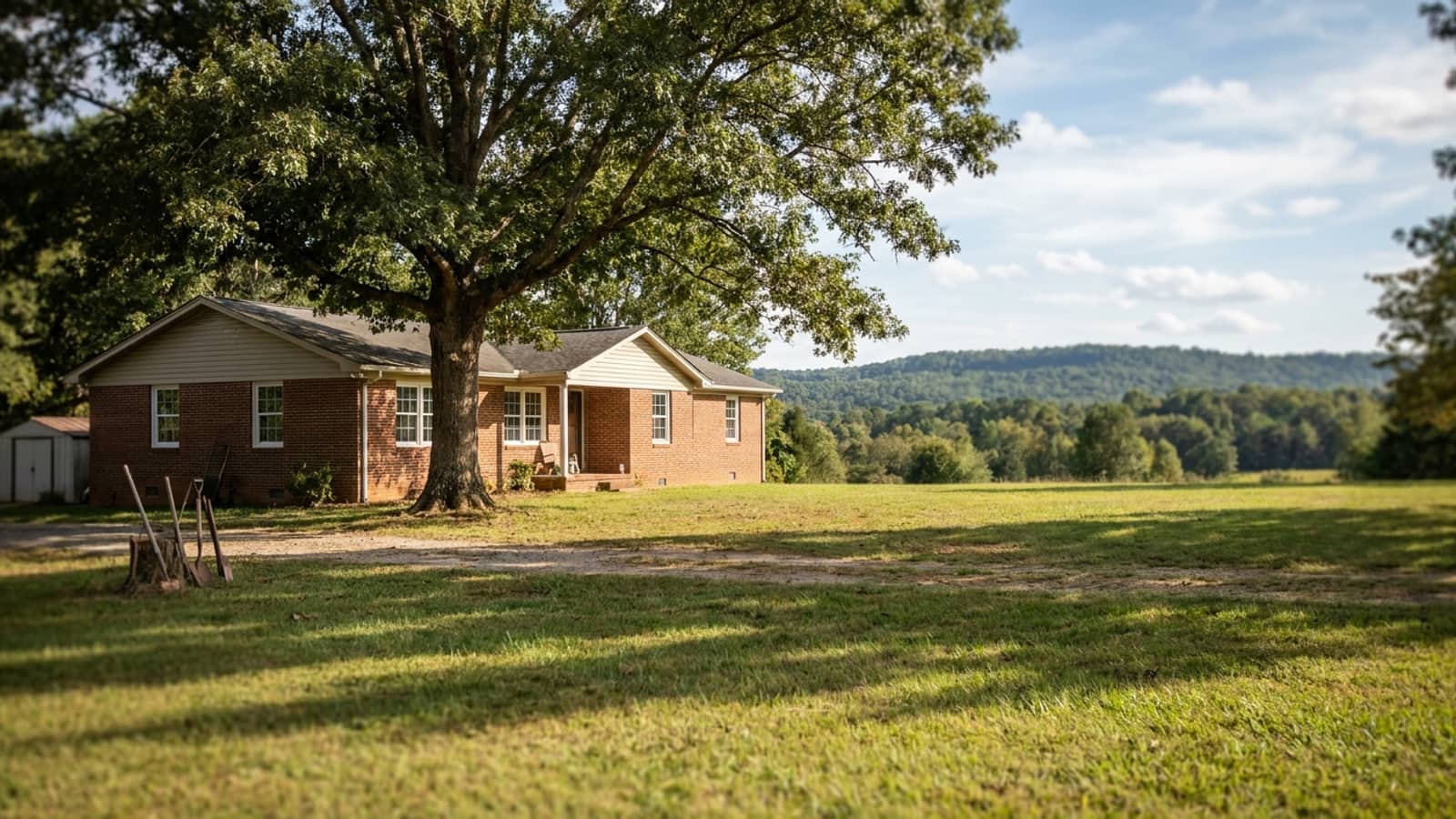
The per-window range is the honest way to talk about this, because Dalton housing stock is not uniform. A mid-century brick ranch off a two-lane road and a two-story build in a newer subdivision carry different opening counts, different sizes and different frame conditions, and those differences drive the price far more than the brand on the sticker.
Here is roughly how common window styles sort themselves inside the $700 to $2,200 range:
| Window type | Where it typically falls in the range | Why |
|---|---|---|
| Standard double-hung, vinyl, sound frame | Lower end | Common size, insert install, straightforward trim |
| Casement or awning | Lower to middle | Crank hardware adds cost over a sliding sash |
| Picture or fixed unit | Lower to middle | No hardware, but larger glass area |
| Large slider or oversized opening | Middle to upper | More glass, more weight, often two-person set |
| Fiberglass or composite frame | Upper | Roughly 40 to 60 percent more per window than vinyl |
| Arched, Palladian or custom shape | Upper | Built one-off, more exterior trim work |
| Any opening needing frame or sill repair | Upper | Full-frame install plus carpentry |
Most Dalton homeowners doing a whole house land in the middle. The outliers in either direction are usually explainable in one sentence once you have seen the house.
If you want the local version of this with our full window lineup, that is on the Dalton window replacement page.
What is actually included in the per-window price?
This is where two quotes with the same number stop being the same job. A complete installed price should cover:
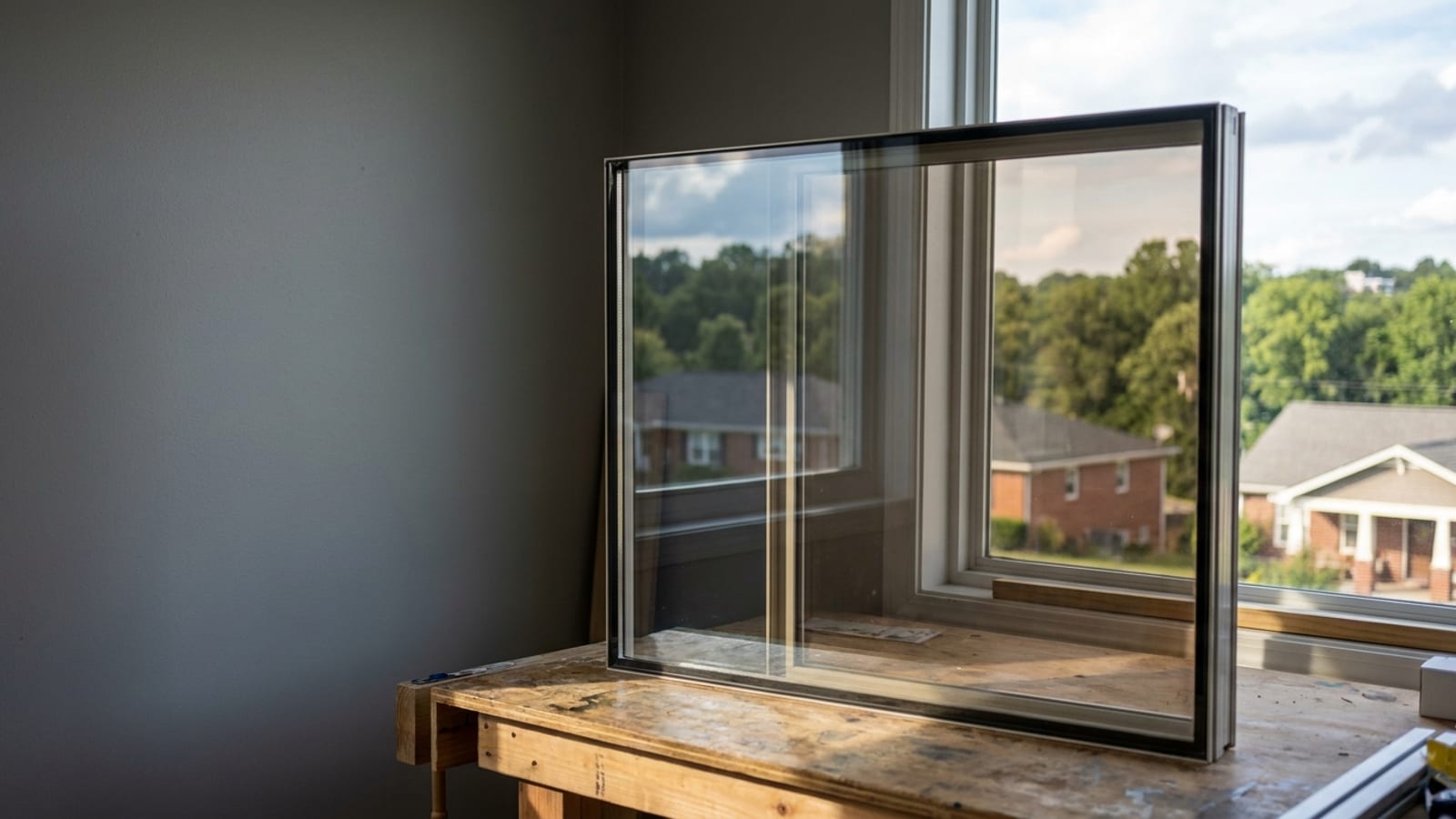
- The window unit itself, built to your opening dimensions
- Removal and disposal of the old window
- Setting the new unit plumb, level and square with proper shimming
- Insulating and air sealing the perimeter
- Exterior caulking and the exterior trim or capping detail
- Interior trim returned to a finished condition
- Screens, locks and all operating hardware
- Cleanup and a final walk-through
When a quote is noticeably cheaper than the others, something on that list is usually missing, or the scope quietly shifted from full-frame to insert. Ask which one, line by line.
What pushes a Dalton quote up or down?
Insert or full-frame
An insert replacement drops the new window into the existing frame. It is faster, cheaper, and the correct call when the frame is sound and square. A full-frame replacement takes everything back to the rough opening and rebuilds it — required when the sill or frame is rotted, when the opening is out of square, when there is a history of water getting in, or when you want to recover the glass area that old aluminum frames eat up.
Full-frame typically adds several hundred dollars per opening. Plenty of houses correctly get a mix: inserts on the elevations that are in good shape, full-frame on the two or three openings that are not.
Size, shape and count
A large opening costs more than a small one, and a shaped opening costs more than a rectangle. Opening count is the biggest single multiplier on the final number, which is why two houses of similar square footage can be thousands apart — one has 11 openings and the other has 19.
Frame material and glass package
Vinyl is the right choice for most homes in this market, and the money saved is better spent on the glass. Fiberglass is worth the upgrade in three specific cases: very wide or tall openings, dark exterior frame colors that absorb more heat, and anywhere you want the narrowest possible frame for maximum glass.
What gets found when the old unit comes out
Rot under a sill, a racked opening, or a header detail that was never flashed correctly all change the scope. A straight answer on how that gets handled and priced belongs in the conversation before you sign, not after the siding is open.
What does a whole-house project add up to?
Multiply the opening count by the range. This is arithmetic, not a quote, but it is the right way to set a budget expectation before an estimator ever walks the house:
| Openings | Low end of range | Middle of range | Upper end of range |
|---|---|---|---|
| 8 | about $5,600 | about $11,200 | about $17,600 |
| 12 | about $8,400 | about $16,800 | about $26,400 |
| 16 | about $11,200 | about $22,400 | about $35,200 |
| 20 | about $14,000 | about $28,000 | about $44,000 |
The middle column is where most whole-house projects actually land. The far right column generally belongs to houses with a lot of large or custom-shaped glass, upgraded frames, or several openings needing carpentry.
Does North Georgia's climate change what glass you should buy?
Yes, and it changes it in a way a lot of national advice gets backwards. Dalton sits in the ENERGY STAR South-Central climate zone, where a qualifying window needs a U-factor of 0.28 or lower and an SHGC of 0.23 or lower.
Of those two numbers, SHGC — solar heat gain coefficient — is the one that matters most here. Our energy cost is dominated by cooling, not heating, so how much summer sun the glass blocks does more for comfort and your power bill than another small improvement in U-factor. That also means the same glass does not belong on every side of the house. A west-facing wall taking full afternoon sun and a shaded north wall are different problems, and we spec glass by elevation for exactly that reason.
Triple-pane is available on request, but it is not our default recommendation in this climate. The payback is strongest in heating-dominated northern markets. Here, the same money spent on a better low-E coating, argon fill and a warm-edge spacer returns more.
How do Dalton homeowners pay for a window project?
Three ways, mostly: cash, home equity, or contractor-arranged financing. We offer financing through the GreenSky® program, including no-interest-if-paid-in-full plans at 6, 15 or 18 months and fixed rates starting at 6.99% APR, with zero down for most approved homeowners. The details and the application are on the financing page.
One budgeting note worth stating plainly: there is no federal tax credit to count on for this work. The 25C credit was terminated for property placed in service after December 31, 2025. Budget without it.
How should you compare two Dalton quotes?
Compare them line by line rather than by the number at the bottom. A lower price almost always means a different product or a different scope. Line up these six items and the price difference finally means something:
- Frame material and the exact product series
- The glass package, including the SHGC number
- Insert or full-frame, opening by opening
- Who physically installs it — an in-house crew or a subcontracted one
- The warranty term on labor, not just on material
- What happens to the old windows, the trim and any rot that gets found
That fourth and fifth line are where most quotes separate. A lifetime material warranty paired with a one-year labor warranty is a much weaker promise than it sounds, because most service calls years down the road involve installation details. Our windows carry a lifetime material and labor warranty, transferable once and then prorated, which is spelled out in The Patriot's Promise.
What is the next step?
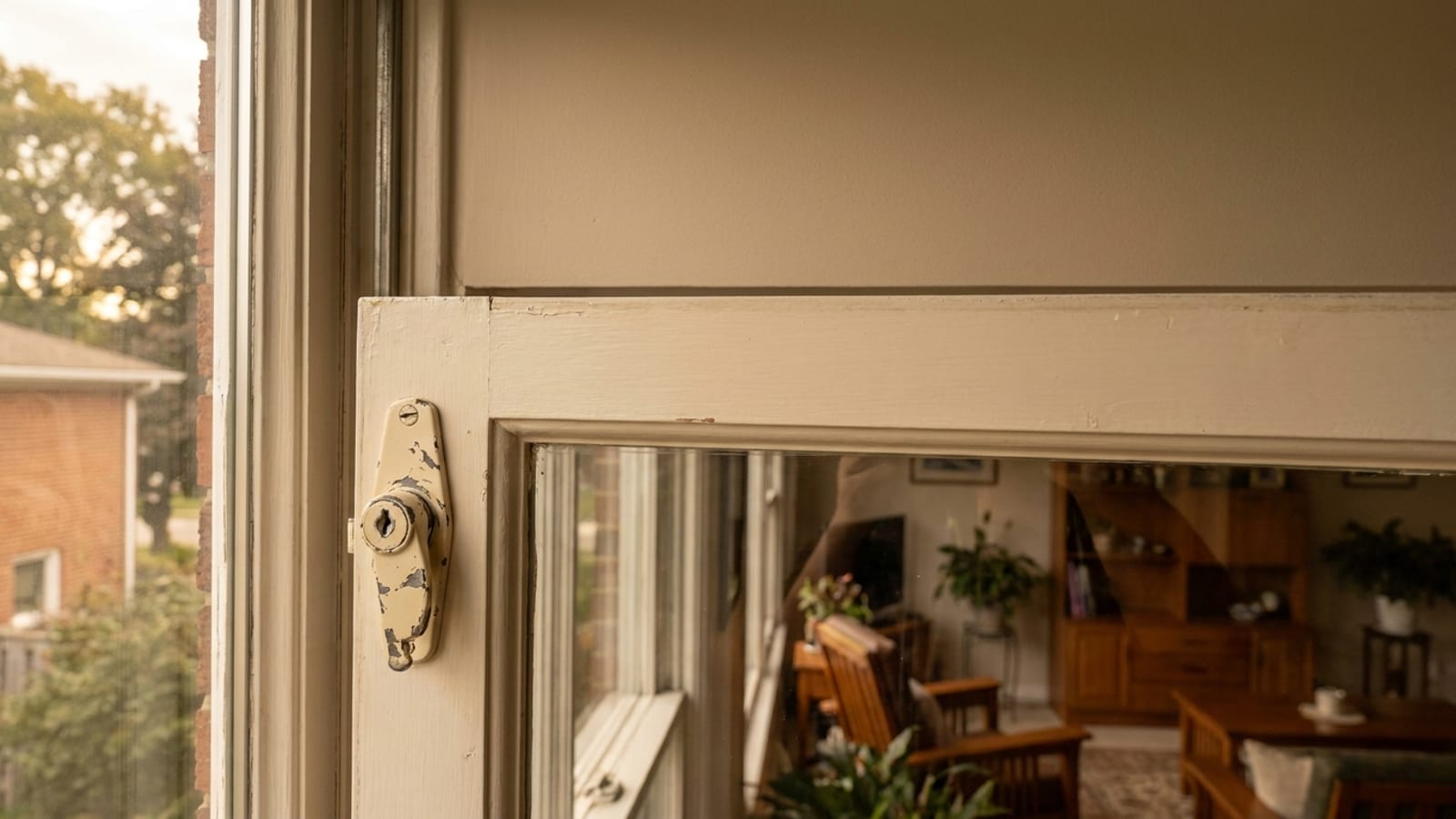
Count your openings and note which ones already have problems — fog between the panes, a sash that will not stay up, soft wood at the sill, a draft you can feel with the window shut. That list plus the ranges above gives you a realistic budget before anyone comes out.
Then schedule a free in-home estimate. An estimator measures every opening, checks the condition of the frames and sills, shows you the actual product and glass options, and leaves you with one itemized price per opening with the install method written down. It is a sales appointment, and it is also the only way to get a real number instead of an estimate built on assumptions. There is no trip charge inside our service area. Start at /get-estimate/ or call the office.