Short answer
Storm windows cost a fraction of a replacement window — commonly a few hundred dollars per opening installed, against about $700 to $2,200 per window installed for replacement in our market. They beat new windows in a narrow set of cases: original sashes worth preserving, a short hold on the house, a budget that will not stretch this year, or a single-pane window that still works and still has sound wood. They do not beat new windows when the sash is rotted, the frame is out of square, or the insulated glass has already failed.
Storm windows cost a fraction of what a replacement window costs. A decent exterior aluminum storm unit is commonly quoted in the low hundreds of dollars per opening installed, while replacement windows in our market run about $700 to $2,200 per window installed. That gap is the whole argument for storm windows, and it is a real argument — in a handful of situations a storm window is the smarter purchase. In most of the situations homeowners ask about, it is not.
The deciding question is not price. It is what is actually wrong with the window you have.
What is a storm window, exactly?
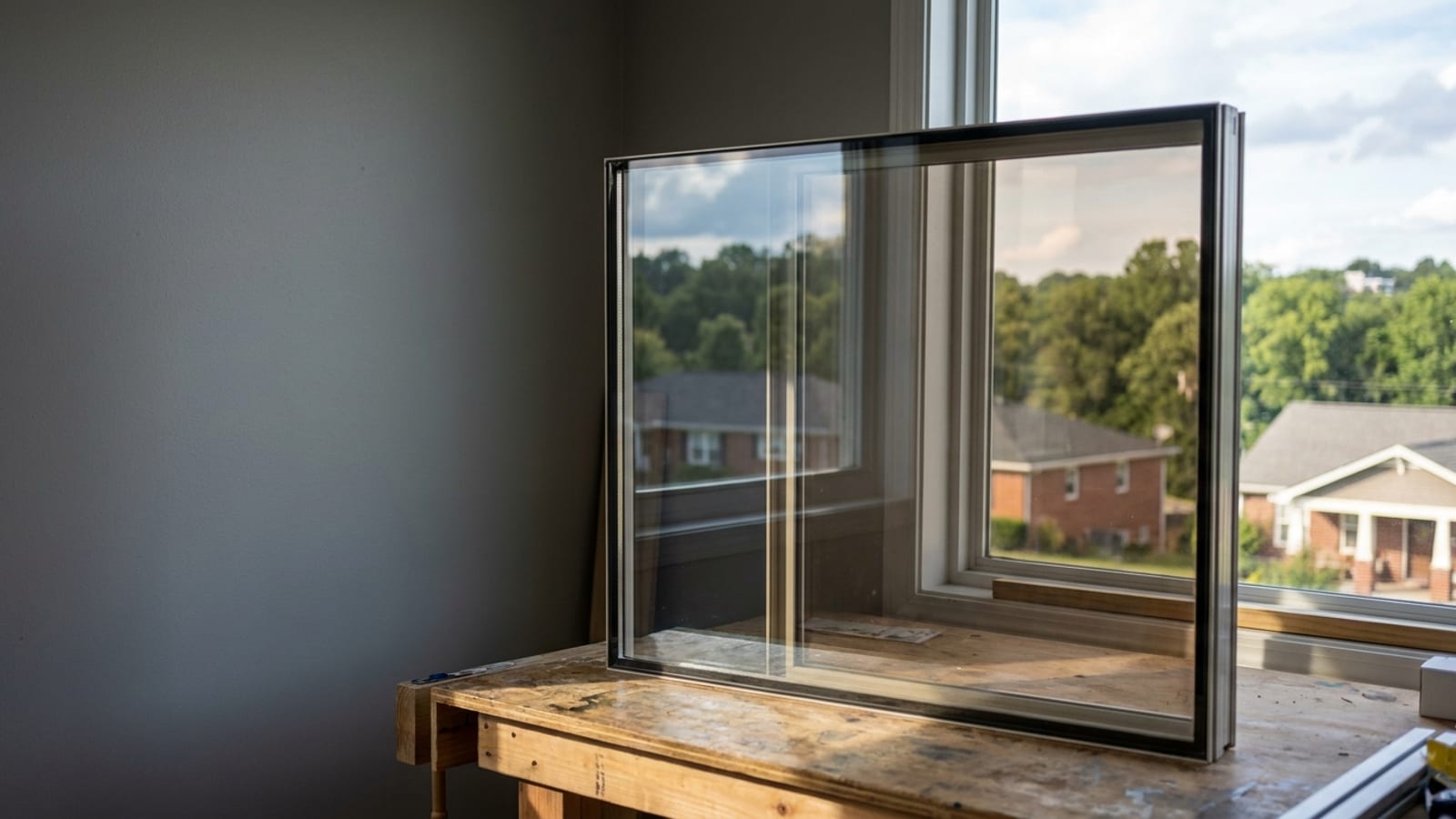
A storm window is a second layer of glazing added to an existing window. It does not replace anything. The original sash stays, and the storm unit creates a dead air space in front of it or behind it, which slows heat flow and cuts the air leakage that makes old windows feel drafty.
Exterior storm windows
These mount to the outside of the window casing. The common version is a triple-track aluminum unit: two glass sashes and a screen riding in the same frame, so you slide a sash instead of swapping panels in spring and fall. Exterior storms also take the weather off the original sash, which is the underrated part — a wood window that stops getting hit by sun and driving rain stops needing paint as often.
Interior storm panels
These sit on the room side, usually a glazing panel in a light frame held by magnetic strip, compression fit or a track. They are invisible from the street, which matters in historic districts, and they are typically the better acoustic option because the air space between the two layers can be wider. The tradeoff is that they interfere with opening the window, and they do nothing to protect the exterior of the sash.
What do storm windows cost compared to replacement windows?
Storm window pricing varies a lot by supplier, size and whether you are buying stock sizes or custom. The figures below are general market framing, not a quote. The replacement window number is ours.
| Option | Typical installed cost | What it addresses | What it does not address |
|---|---|---|---|
| Exterior aluminum storm, stock size | A few hundred dollars per opening | Drafts, weather protection for the old sash, some noise | Rot, operation, failed glass seals, maintenance |
| Exterior storm, custom size or low-e glass | Higher than stock, often well into the hundreds | The above, plus some solar heat gain | Same list |
| Interior storm panel | Varies widely by type and size | Drafts, noise, invisible from the street | Exterior weathering, operation, rot |
| Replacement window, installed | $700 – $2,200 per window in our market | All of it — frame, sash, glass, seal, operation, trim | Nothing, if the job is specified correctly |
A whole-house storm window project is not pocket change either. Twenty openings at a few hundred dollars each is real money spent on a layer that keeps the original window and its problems in the wall. Run that math before you assume storms are the cheap answer, because at some counts the difference between the two paths is smaller than it looks, and only one of them ends with new windows.
When do storm windows actually beat new windows?
The original sashes are worth keeping
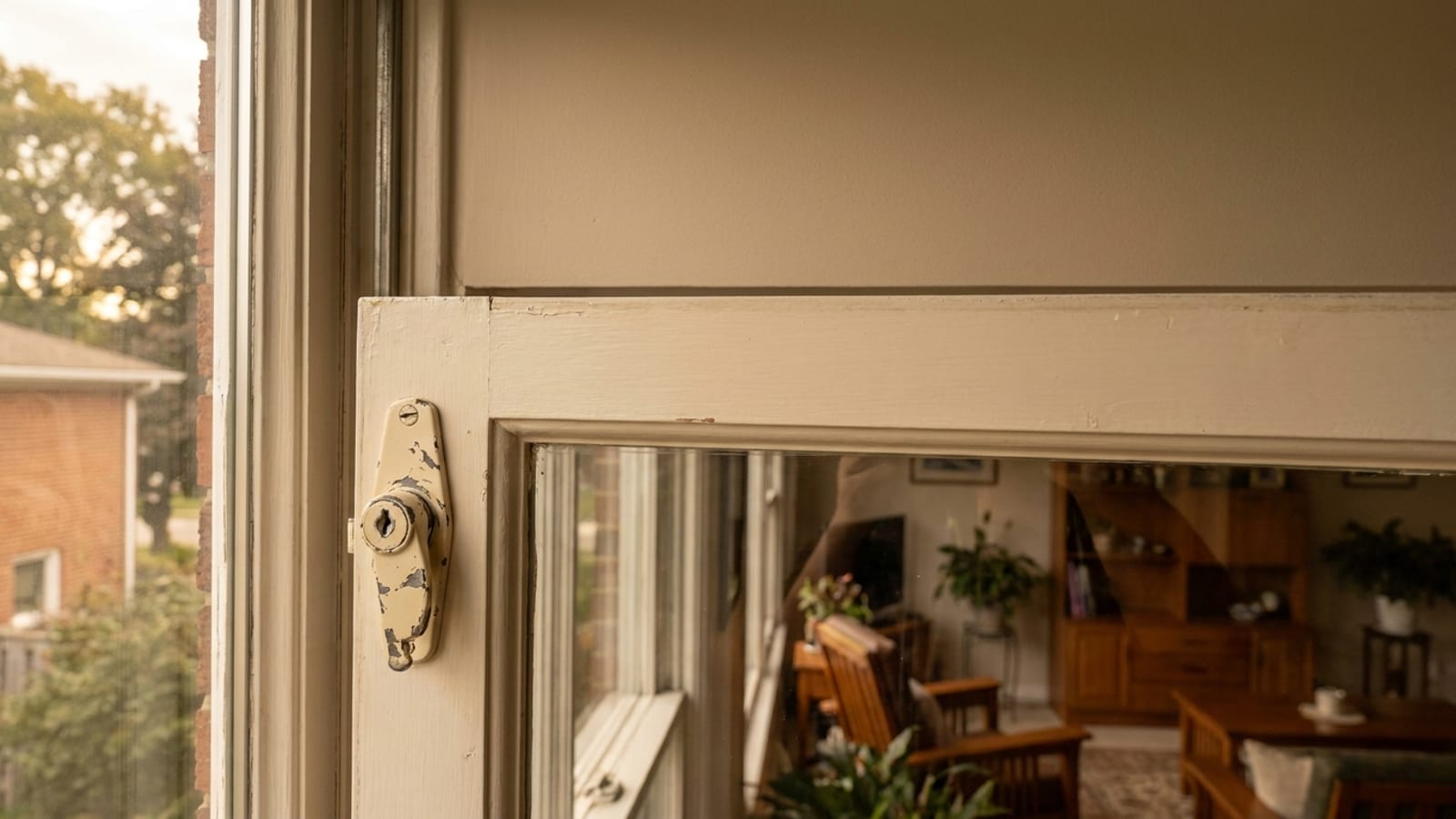
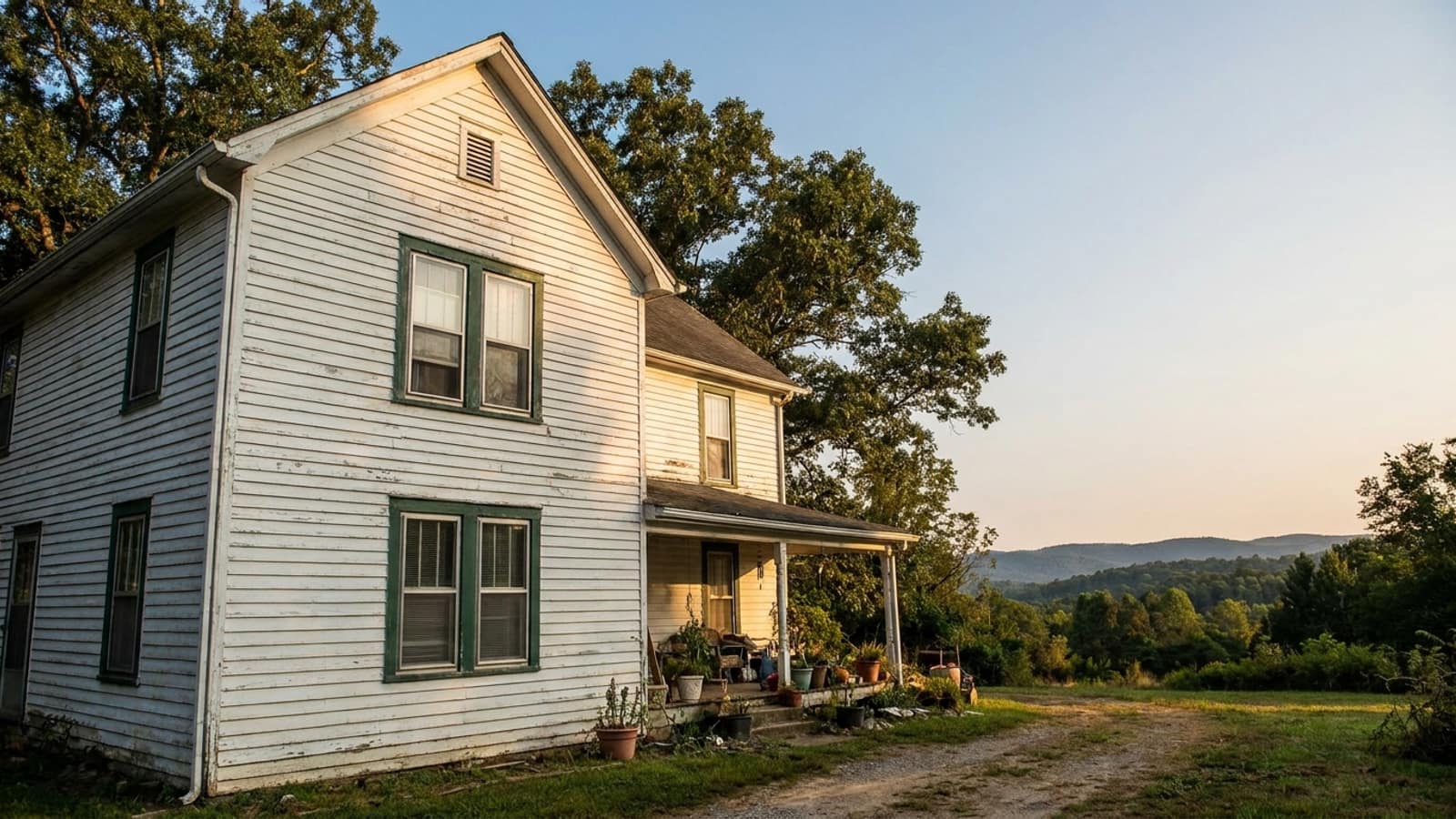
This is the strongest case. True divided-lite wood sashes, old wavy glass, a historic district with a review board, a house where the window pattern is the architecture — in those cases replacing is a loss even when it is an upgrade on paper. A well-made storm window lets you keep the sash and still stop the draft. If the house is old enough that you are weighing this, also know that any home built before 1978 is presumed to have lead paint, which has to be handled under EPA Lead-Safe rules on either path.
You are selling or moving within a few years
If the house is going on the market in two years, a storm window is a reasonable bridge. New windows are a better bridge for resale, but a short hold changes the math on anything with a long payback.
The budget decides it this year
Sometimes the honest answer is that replacement is not happening right now. Storms on the worst elevation — usually the north and west walls in this region — buy comfort through a winter. Worth knowing before you settle, though, that financing through the GreenSky® program includes no-interest-if-paid-in-full plans at 6, 15 or 18 months and fixed rates starting at 6.99% APR, with zero down for most approved homeowners. A number of people who assume they are choosing storms are really choosing between storms and a monthly payment they have not priced yet.
The windows still work
Sashes slide, locks engage, the wood is firm, the glass is intact, and the only complaint is that it is single-pane and drafty. That is the window a storm unit was invented for.
When do storm windows not solve the problem?
Some failures are behind the storm window, which means a storm window is just one more thing in front of them.
- Fog or haze between the panes. That is a failed insulated glass seal. The argon is gone, the clouding is permanent, and no second layer reaches those surfaces.
- Soft or rotted sash, sill or frame. Covering rot keeps it wet. Exterior storms can even make it worse when the weep holes clog and water sits on the original sill.
- Sashes that will not stay up, will not lock, or will not open. A storm window does not touch operation. A window you cannot open is a safety issue in a bedroom and a comfort issue everywhere else.
- A frame that is out of square. Nothing added to the face of an out-of-square opening seals it.
- You are tired of painting. The point of replacing is often ending the maintenance. Storms add a second thing to clean and maintain rather than removing the first one.
- Summer heat on a west wall. This is the one people get wrong in the Southeast. Our dominant load is cooling, not heating, and plain storm glass does very little for solar heat gain. The number that governs summer comfort here is SHGC, and ENERGY STAR Version 7.0 requires 0.23 or lower in the South-Central zone this entire service area sits in, paired with a U-factor of 0.28 or lower. That is a glass package, not a storm panel.
How much does either one actually save?
Be skeptical of percentages, from anyone. ENERGY STAR estimates that replacing old single-pane windows with certified windows saves around 12% on energy bills on average. Storm windows capture part of that improvement and none of the rest, and how much depends almost entirely on how leaky the original window is.
The lever that moves most in both cases is air sealing. A gap is a gap whether a storm panel covers it or not, and a lot of what homeowners credit to glass is really the weatherstripping and the sealed perimeter. That is also why install quality is worth more than the spec sheet on a replacement window, and why our warranty under The Patriot's Promise covers labor for a lifetime rather than material alone. A lifetime material warranty paired with a one-year labor term is a much weaker promise than it sounds, and it is worth asking about on any quote you receive.
How should you decide, opening by opening?
Walk the house with a screwdriver and go window by window. Most homes get a mixed answer, and that is fine.
- Press the sill and lower sash rail. If the tip sinks in, that opening is a replacement, not a storm.
- Look between the panes. Haze or moisture means the glass unit is done.
- Open it, close it, lock it. Anything that fights you is an operation problem a storm will not fix.
- Check the frame for square. Big uneven gaps at the meeting rail tell you.
- Note the exposure. West and south walls are where glass specified for solar heat gain earns its money.
- Decide the sash's value. If the original sash is genuinely worth preserving, storms are back on the table for that opening.
If most of your openings pass items one through four, storm windows are a legitimate purchase. If three or four openings fail, you are spending money twice.
What is the next step?
Get a real number on replacement before you commit either way, because the comparison is meaningless until you know what the alternative actually costs at your house. Book a free in-home estimate at /get-estimate/. An estimator measures every opening, checks frames and sills, and gives you one itemized price per opening with the install method spelled out. It is a sales appointment — and it is also the only way anyone can tell you what your house costs instead of guessing from a blog post.