Short answer
On a professional replacement job, exterior trim and capping are not a separate purchase — they are part of the installed price, which runs about $700 to $2,200 per window in our market. What moves that number is the condition of the existing wood, how much detail the opening carries, and whether the job is an insert or a full-frame replacement. Rotted trim gets replaced before anything is wrapped, and that repair is the line item homeowners most often find missing from a cheaper quote.
Exterior window trim and capping are not something you buy separately from a window replacement. They are part of the installed price, which runs about $700 to $2,200 per window in our market, and that figure covers the unit, the labor, the sealing and the trim work. What changes where your project lands in that range is how much wood is behind the trim, what shape it is in, and how much detail each opening carries.
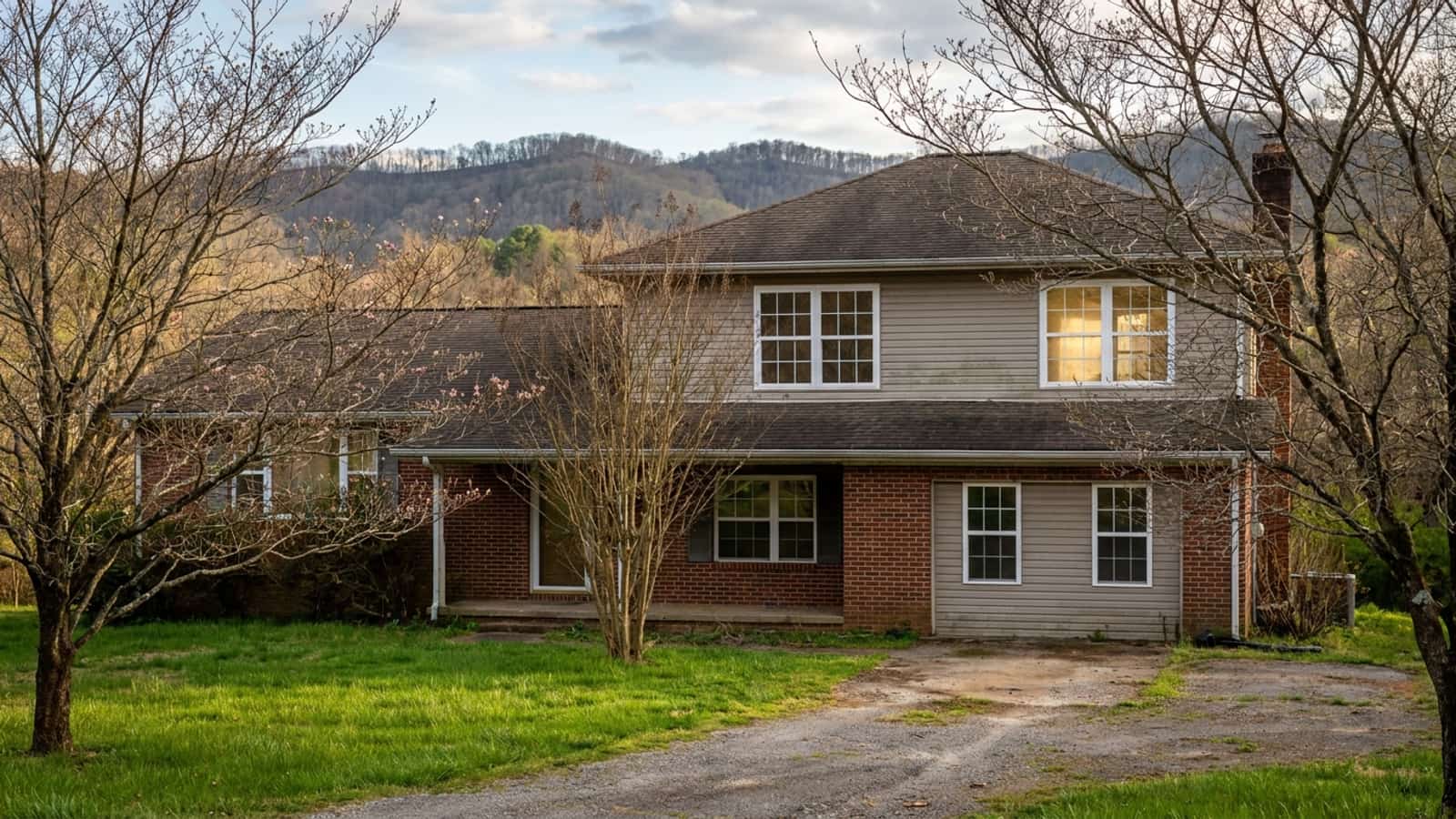
The reason this matters is that trim is where quotes quietly diverge. Two companies can bid the same window and the same brand, and one of them has planned to replace the rotted sill nose and wrap the brickmould properly while the other has planned to cap over whatever is there and leave. That is not a price difference. That is a scope difference, and it shows up two winters later.
What is exterior window capping?
Capping — also called wrapping or coil wrap — is the process of covering the exterior wood trim around a window with custom-bent aluminum coil stock. The installer measures the brickmould, the jamb returns and the sill, bends flat coil on a brake to match those profiles, and fastens and seals the pieces so water runs out and down rather than behind.
The point is maintenance. Painted wood trim on the exterior of a house in Tennessee, Georgia or Alabama takes sun, humidity and driving rain, and it needs repainting on a cycle. Aluminum with a factory finish does not. When we quote replacement windows, capping the surrounding trim is the standard way to finish the exterior on a wood-trimmed opening, because it ends the repaint cycle on the part of the house that is hardest to reach.
Capping is not a repair. It is a finish over sound wood. That distinction is the single most important thing to understand before you compare two numbers.
What are the trim options, and how do they compare?
There are three honest ways to finish the exterior of a replacement window opening. Each one is right somewhere.
| Approach | What it is | Maintenance | Relative cost | Best fit |
|---|---|---|---|---|
| Aluminum coil capping | Bent metal wrapped over existing sound wood trim | None beyond occasional rinsing | Lowest | Sound wood trim, siding-clad walls, homeowners done with painting |
| PVC or composite trim | New cellular PVC or composite boards replacing the wood | Paint optional, will not rot | Moderate to high | Rotted trim, exposed elevations, where profile detail matters |
| Painted wood trim | New wood brickmould and sill, primed and painted | Repaint on a cycle | Moderate | Historic profiles, matching an existing wood detail exactly |
Aluminum coil capping
This is the most common finish on a replacement job in this market and the least expensive of the three, because the existing trim stays and gets covered. It works when the wood underneath is dry and solid. The quality is entirely in the bends and the seams — a cap formed to a tight profile with the right overlaps sheds water for decades, and a sloppy one collects it.
PVC and composite trim
When the brickmould or the sill is gone, the correct move is replacement, and PVC or composite is usually the better material for an exterior that takes weather. It does not rot, does not feed insects and holds paint when you want color. It costs more than capping because you are buying material and removing the old trim rather than covering it.
Painted wood trim
Still the right answer on an older home where the profile is part of the architecture and a stock product will not match it. Expect to maintain it. On a house where the trim detail is a big part of the look, that trade is often worth making.
What actually drives the trim cost on your house?
No two houses price the same here, and these are the variables that do the work:
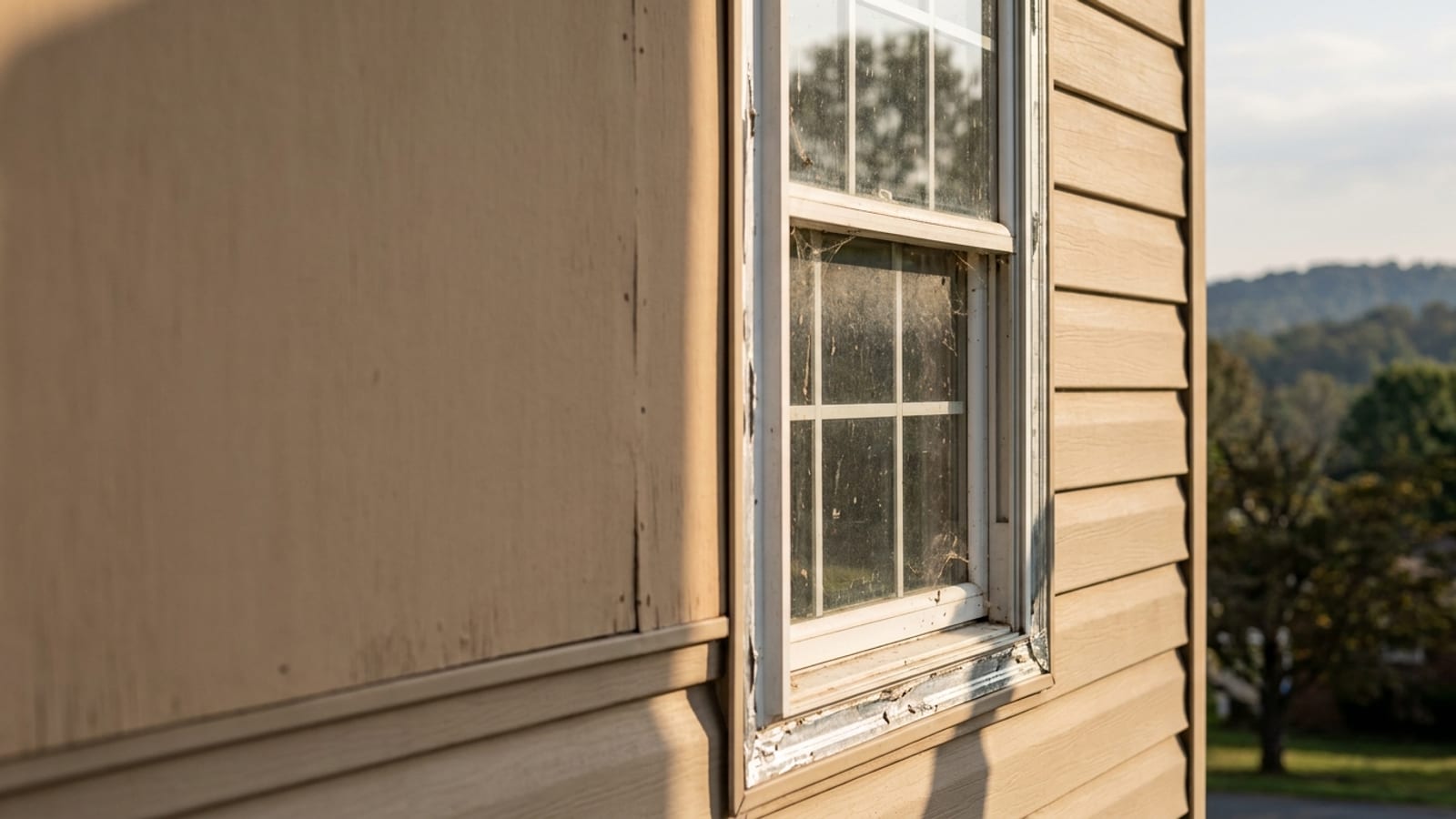
- Condition of the existing wood. Dry and solid means capping. Soft at the sill nose or at the bottom corners of the brickmould means replacement first.
- Number of openings. Trim labor scales almost linearly with opening count, so a 20-window house carries more trim work than a 10-window house even at the same size.
- Profile complexity. A flat 1x4 surround wraps quickly. A built-up sill with a drip cap, a backband and a shaped crown takes more bends, more pieces and more time.
- Opening size and shape. Arched, Palladian and other shaped openings are cut and bent by hand. They look right when they are done well and they cost more than a rectangle.
- Access. Second-story and gable-end openings need staging. The trim work is the same; getting to it is not.
- Cladding type. Vinyl-sided walls usually have J-channel and accessory work tying into the trim. Brick and stone openings have their own detail at the jamb and sill.
How does insert versus full-frame replacement change the trim work?
An insert replacement drops the new unit into the existing frame, which means the exterior brickmould and sill typically stay in place and get capped. Less demolition, less trim material, less labor.
A full-frame replacement takes everything back to the rough opening, which means the exterior trim comes off and new trim goes on. That is more work and more material, and it is also the only chance anyone gets to look at the sheathing and the framing behind the window. Full-frame adds several hundred dollars per opening in our market, and part of that is the trim.
Which one your house needs is not a preference. If the frame is sound and square, an insert is correct. If the sill is rotted, the frame is out of square, or there is a history of water getting in, full-frame is the only right answer. Plenty of houses correctly get a mix — three full-frame openings on the weather side and the rest inserts.
How do you compare trim line items between two quotes?
Read for scope, not for the total. Specifically, find out:
- Is the exterior trim being capped, replaced, or left as-is and painted by you later?
- What material is the cap or the new trim, and what is the finish?
- Is the sill being wrapped, and how is the drip edge detailed?
- What happens if rot is found once the old unit comes out — is there a stated process and price, or silence?
- Does the quote include interior trim and sealing, or only the exterior?
- Is the labor warranty term the same on both quotes?
That last one is where a lot of trim work gets decided after the fact. Our windows carry a lifetime material and labor warranty under The Patriot's Promise, and labor is the part that covers how the opening was finished and sealed, not just the window that came out of the box.
If the total is the obstacle rather than the scope, financing through the GreenSky® program spreads one number rather than shrinking the job, which is the better way to handle it — cutting trim work out of a window project is cutting the part that keeps water out of the wall.
What happens when rot is found behind the trim?
It gets repaired before anything new goes on. Soft sheathing, a rotted sill nose or a failed sub-sill is what the crew finds after the old unit is out, and no estimator can see it from the outside beforehand. The honest version of a quote names that possibility up front and tells you how it will be priced if it turns up.
What should never happen is new material installed over wet or compromised wood. A cap over rot hides the problem and keeps it wet, and the opening fails again on a slower clock. The same rule applies to trim that applies to cladding — you fix the water path first.
What is the next step?
The only way to know what the trim work costs on your house is to have someone look at the actual openings and press on the actual sills. Schedule a free in-home estimate and an estimator will measure every opening, check the trim condition, explain whether each one is an insert or full-frame, and give you one itemized number per opening with the trim and capping spelled out as part of it. It is a sales appointment, and it is also the only way to get a real number instead of a guess.