Short answer
Replacement windows in metro Atlanta run about $700 to $2,200 per opening installed, and that figure covers the unit, the labor, the sealing, the trim and the cleanup. A whole-house project lands where it lands based on how many openings the house has, how large they are, and whether the existing frames can take an insert or need full-frame replacement. The only way to get a real total instead of a guess is an itemized count of your own openings.
Replacement windows in metro Atlanta run about $700 to $2,200 per opening installed. That range is not a starting price with add-ons hiding behind it — it covers the window, the labor to set it, the air sealing, the interior and exterior trim work, hauling the old units away and cleaning up. What decides where your house lands in the range is the count and size of your openings and what the crew finds when the old windows come out.
A whole-house project in the metro is usually a number between five figures and the low twenties, because the housing stock here is full of homes with a lot of glass. That is the honest shape of it. Below is what actually moves the figure, so you can look at your own house and estimate before anyone measures.
What does a whole-house project cost in metro Atlanta?
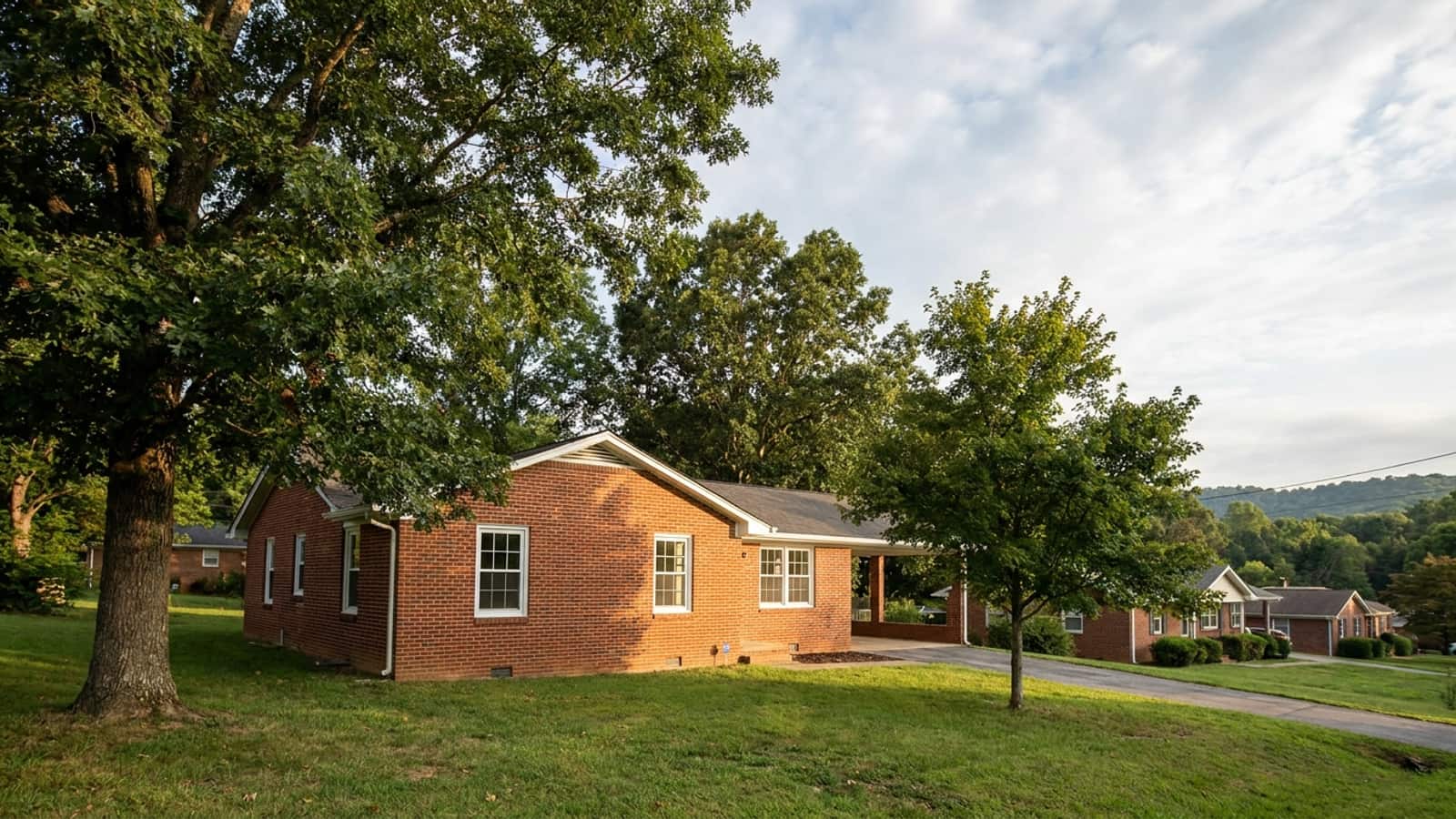
Multiply your opening count by the range and you have your bracket. A three-bedroom ranch with twelve openings sits in a very different place than a two-story with twenty-four. The most common project we price across Cobb, Cherokee, Gwinnett, DeKalb, Fulton, Paulding, Douglas, Henry and Clayton counties is a 1970s-through-1990s subdivision home with eighteen to twenty-four openings and a mix of standard double-hungs, a picture unit in the front room and one or two larger units in the back.
Those houses commonly still carry their original aluminum-frame windows. Aluminum conducts heat straight through the frame, the sashes have usually lost their seals, and the frames themselves eat into the glass area. Replacing them produces the biggest comfort change of any window job we do — and it is also the case where full-frame replacement earns its extra cost, because you get some of that glass area back.
The full picture of what we install and how we spec it lives on our window replacement page, and the market-specific detail for the city itself is on the Atlanta windows page.
Why does the range run from $700 to $2,200 per window?
Six things account for nearly all of the spread.
| Factor | Pushes toward $700 | Pushes toward $2,200 |
|---|---|---|
| Size and shape | Standard double-hung in a common size | Large units, arched, Palladian, bay or bow |
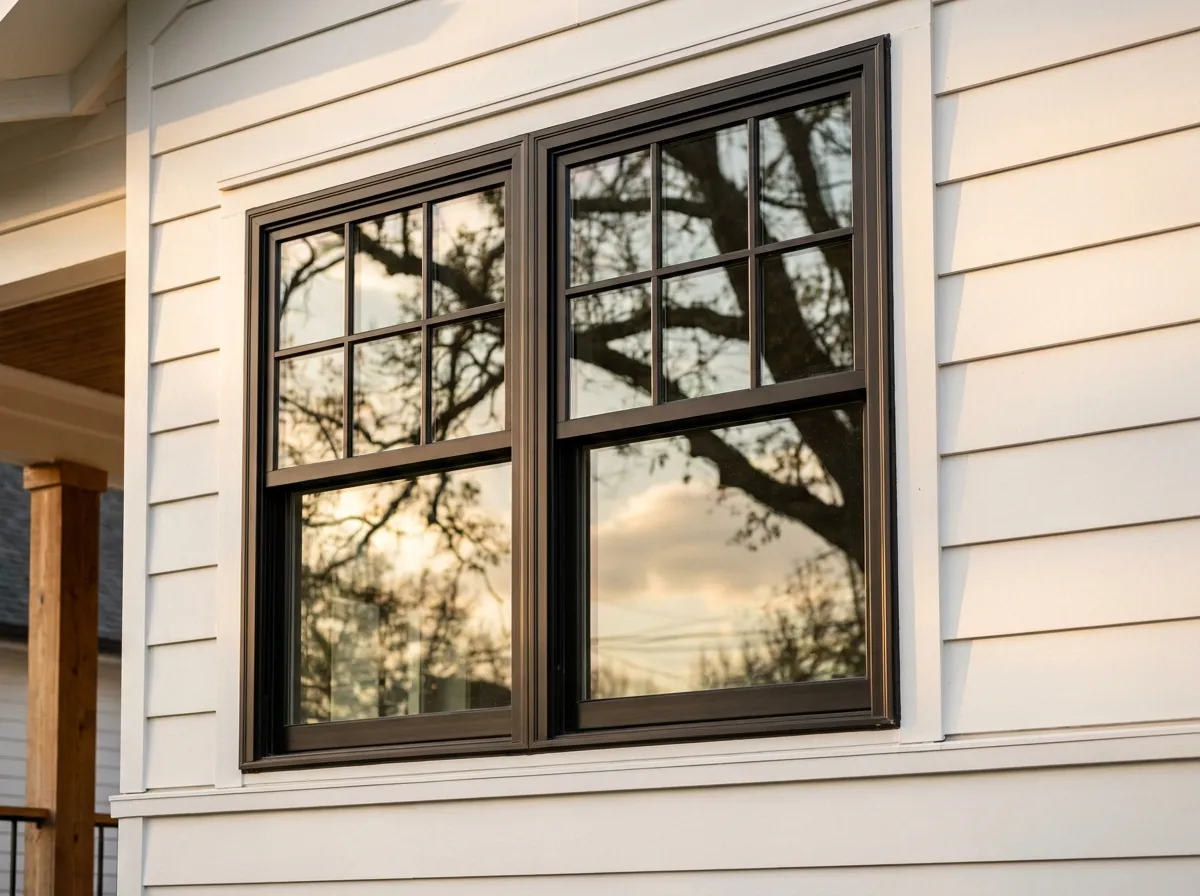
| Frame material | Quality vinyl | Composite or fiberglass, dark exterior colors |
| Install method | Insert into a sound existing frame | Full-frame down to the rough opening |
| Glass package | Standard Low-E with argon | Upgraded coatings, laminated glass, obscure glass |
| Opening condition | Dry, square, no rot | Rotted sill, out-of-square frame, water history |
| Access | Ground floor, clear approach | Second story, over a deck, tight side yard |
Most houses are a mix. Fourteen standard openings near the bottom of the range and four large or difficult ones near the top is a far more typical quote than twenty identical line items. That is why a single per-window number quoted over the phone is close to meaningless — it is an average of a set nobody has counted yet.
Insert or full-frame?
An insert replacement drops the new window into your existing frame. It is faster, cheaper and completely correct when the frame is sound and square. A full-frame replacement removes everything down to the rough opening and rebuilds it, which adds several hundred dollars per opening.
Full-frame is the right call when the sill or frame is rotted, when the opening is out of square, when there is a history of water getting in, or when you are replacing old aluminum and want the glass area back. Many metro Atlanta houses correctly get both methods on the same job — inserts on the sound openings, full-frame on the three that need it. A quote that specifies one method for every opening on an older house has not looked closely enough.
What should the glass be for this climate?
Metro Atlanta sits in the ENERGY STAR South-Central climate zone. A qualifying window here needs a U-factor of 0.28 or lower and an SHGC of 0.23 or lower.
Of those two numbers, SHGC is the one that matters most in Georgia. Our energy cost is dominated by cooling, not heating, and SHGC measures how much solar heat passes through the glass — a lower number blocks more. On a west-facing wall taking August afternoon sun, SHGC does more for comfort and for the power bill than another small improvement in U-factor.
This is also why the same window does not belong on every side of a house. We spec glass by elevation. A north-facing bedroom and a west-facing living room have different jobs to do.
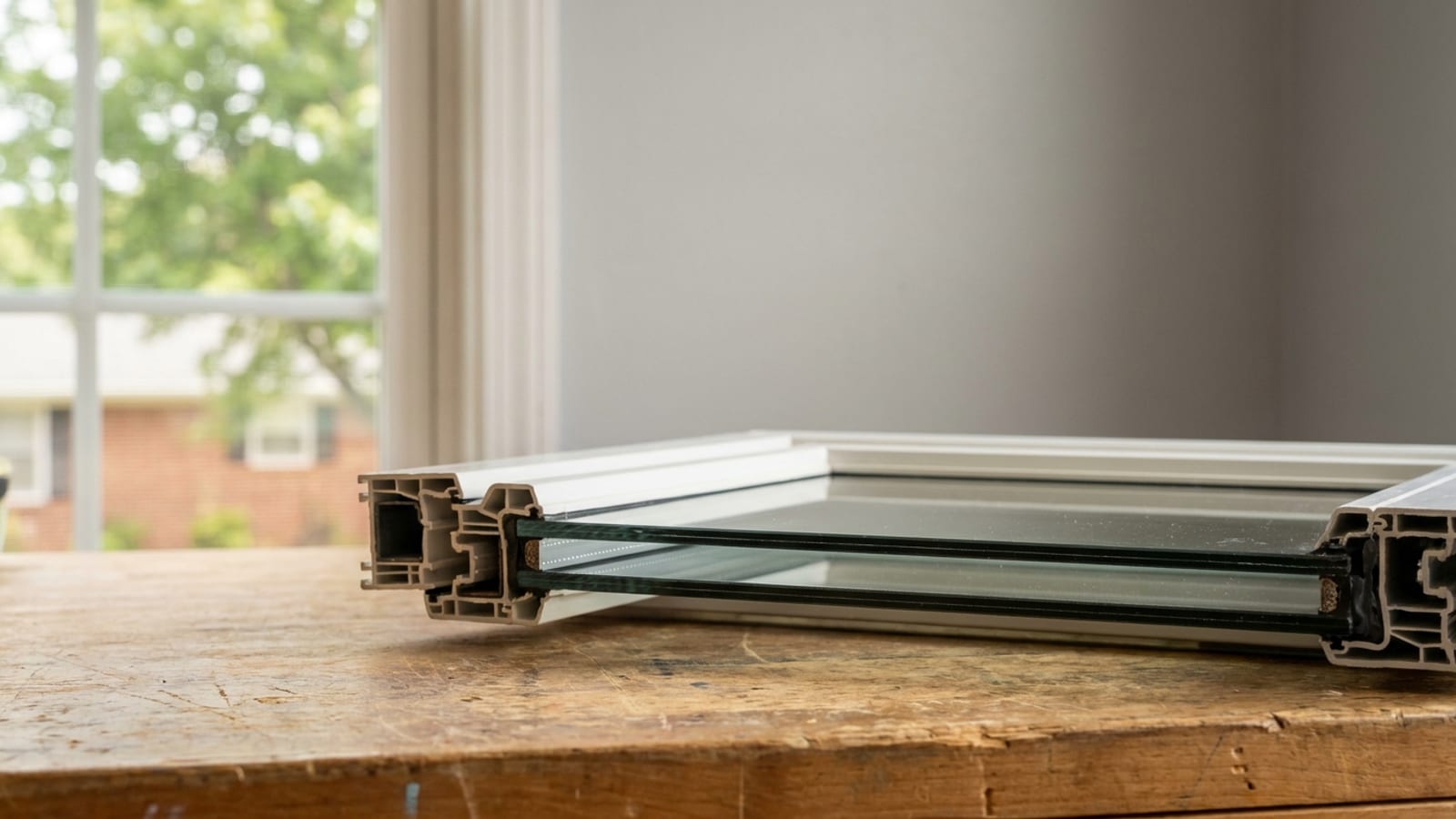
Triple-pane glass is available on request, but it is not our default recommendation here. Triple pane pays off best in heating-dominated northern climates. In this zone, the same money spent on a better low-E coating, argon fill and a warm-edge spacer returns more.
What is missing from a quote that looks too low?
When two quotes are thousands apart, the gap is almost always scope rather than generosity. Line them up on these six items and the difference stops being mysterious:
- Frame material and product series. "Vinyl" is not a spec. The series name is.
- The glass package, including the SHGC number. Ask for it in writing.
- Insert or full-frame, opening by opening.
- Who physically installs it — an employee crew or a subcontracted one.
- The labor warranty term, separate from the material term. A lifetime material warranty paired with a one-year labor warranty is a much weaker promise than it sounds. Ours covers material and labor for life, transferable once and prorated after; the terms are spelled out in The Patriot's Promise.
- What happens to the old windows, the trim and the debris.
Also ask what happens if the crew finds rot. Every honest answer to that question is a process, not a silence.
What about permits in metro Atlanta?
Requirements vary by city and county across the metro, and several jurisdictions do permit window replacement. The permit is what puts an inspector on egress sizing in bedrooms, safety glazing near doors and stairs, and proper attachment of the new units. When your project requires one, we pull it through your local building department as part of full service. It is not a line item you should have to chase yourself.
How do homeowners in this market pay for it?
Three ways, mostly: cash, home equity, or contractor-arranged financing. We finance through the GreenSky® program, with no-interest-if-paid-in-full plans at 6, 15 or 18 months, and fixed-rate terms including 6.99% APR for 60 months. Zero down for most approved homeowners, subject to credit approval. The financing page lays out the plans side by side.
The practical way to choose: if you can realistically clear the balance inside the promotional window, take the promotional plan. If you cannot, take the fixed rate on purpose rather than defaulting into deferred interest.
One budgeting note that matters this year — there is no federal tax credit for windows on a 2026 project. The 25C credit ended for property placed in service after December 31, 2025. Do not build it into your number.
How do you get an actual figure for your house?
Count your openings and multiply by the range, and you will have a bracket that is usually close. The itemized number comes from a free in-home estimate, where an estimator measures every opening, checks the condition of each frame and sill, asks how the rooms perform in July and January, shows you the product and glass options, and gives you one price per opening with the install method written next to it. Plan on 45 to 90 minutes for a whole house.
It is a sales appointment — that is what an in-home estimate is. What it is not is a two-hour presentation or a price that expires that night. Our metro Atlanta office is in Hiram, the direct line is (770) 800-1708, and there is no trip charge inside the service area.
When you are ready for a real number on your own openings, request a free estimate and we will come measure.