Short answer
In most Tennessee jurisdictions the answer is yes — replacing windows is permitted work, though exactly what is required varies by city and county. The permit is what puts an inspector on egress sizing, safety glass locations and proper attachment of the new units. Patriots' Pride pulls the permit through your local building department as part of full service when your project requires one.
In most Tennessee jurisdictions, replacing windows is permitted work — and the honest answer past that is that it depends on your city or county, because permitting is local. There is no single statewide window permit rule that covers Chattanooga, Cleveland, Signal Mountain and an unincorporated Hamilton County address the same way.
What is consistent is why the permit exists. It is not paperwork for its own sake. A window is one of the few building components that has to satisfy life-safety requirements: you have to be able to get out of a bedroom in a fire, and glass in certain locations has to break safely. The permit is how a third party confirms that happened.
Does every window replacement need a permit in Tennessee?
Generally yes for replacement windows, and almost always yes when the opening changes size. Some jurisdictions exempt like-for-like glass repair or a single sash swap. Some do not exempt anything. The only reliable answer is the one your local building department gives you, and that call takes about five minutes.
Here is how the common scenarios usually sort out. Treat this as a planning guide, not a ruling — your jurisdiction decides.
| What you are doing | Typical permit expectation | Why |
|---|---|---|
| Insert replacement, same size opening | Usually permitted | Inspector still checks egress and safety glass |
| Full-frame replacement, same size opening | Permitted | The rough opening is exposed and re-flashed |
| Enlarging an opening for egress | Permitted, plus structural review | New header, new load path |
| Adding a window where there was no opening | Permitted, plus structural review | Cutting into a load-bearing wall |
| Replacing a single broken pane | Often exempt | Repair, not replacement of the unit |
| Any work in a historic overlay district | Permitted plus design review | Appearance is separately regulated |
Who is supposed to pull the permit?
The contractor doing the work, in almost every case. A licensed contractor pulls the permit under their license, which puts their name on the inspection record and their liability behind the installation.
Homeowners can often pull their own permit in Tennessee as an owner-builder. That sounds like a way to save a step, and it is worth understanding what it actually does: it transfers responsibility for code compliance from the installer to you. If an inspector fails the work, the person who signed the application answers for it.
Patriots' Pride is licensed in Tennessee under license #11022 and carries $2,000,000 liability coverage plus workers' compensation. When a project requires a permit, we pull it through your local building department as part of full service — including any added review some historic-district neighborhoods require. That is the normal path and it is the one we recommend.
What does the inspector actually look at?
Three things dominate. None of them are about brand or price.
Emergency escape and rescue openings
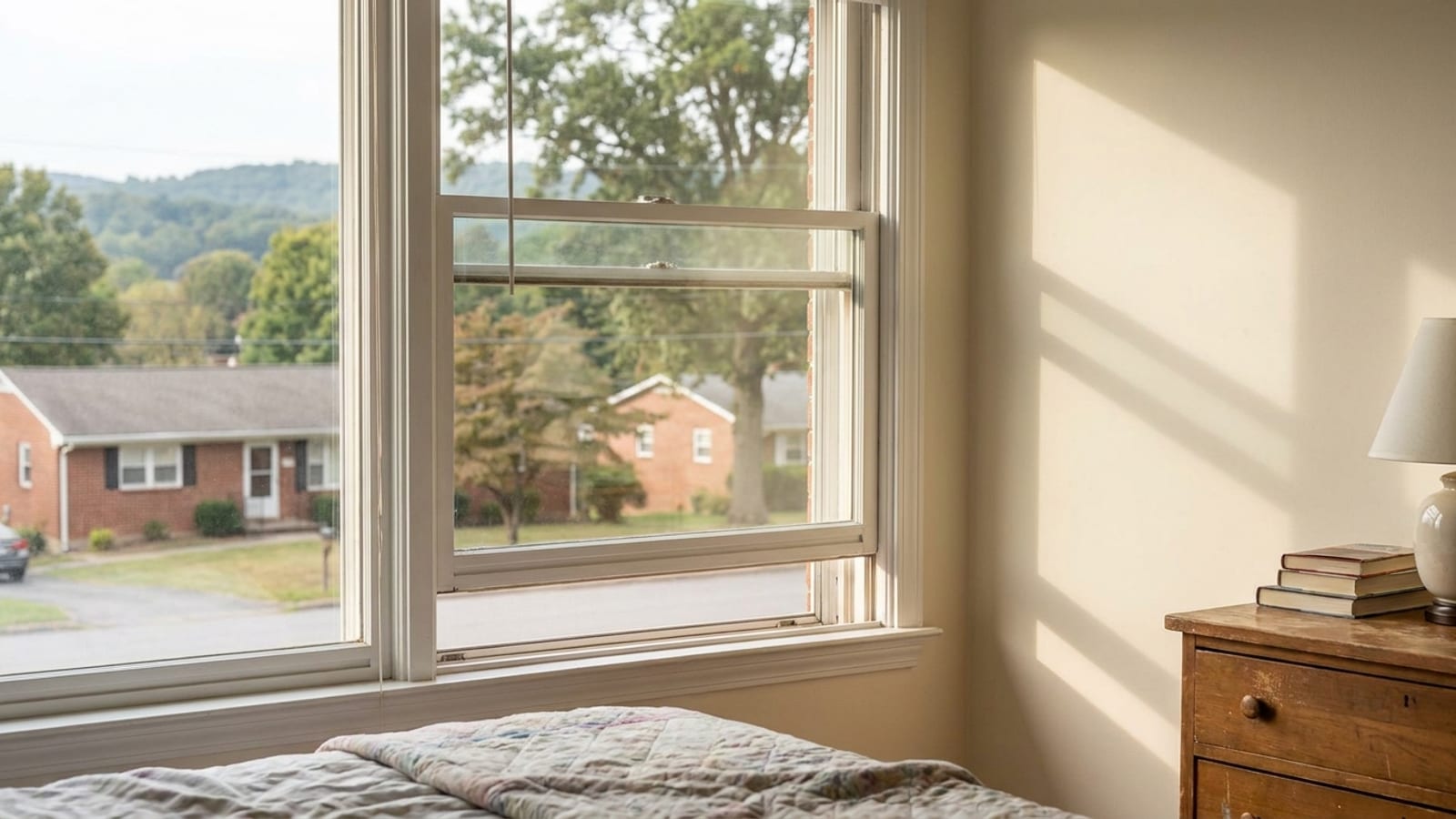
Bedrooms and finished basements need at least one opening a person can climb out of, and a firefighter can climb into, without tools. Under the residential code Tennessee jurisdictions build from, that opening has minimum clear width, minimum clear height, minimum net clear opening area, and a maximum sill height above the finished floor. The numbers are specific and they are measured on the operable clear opening — not the frame, not the glass size on the sticker.
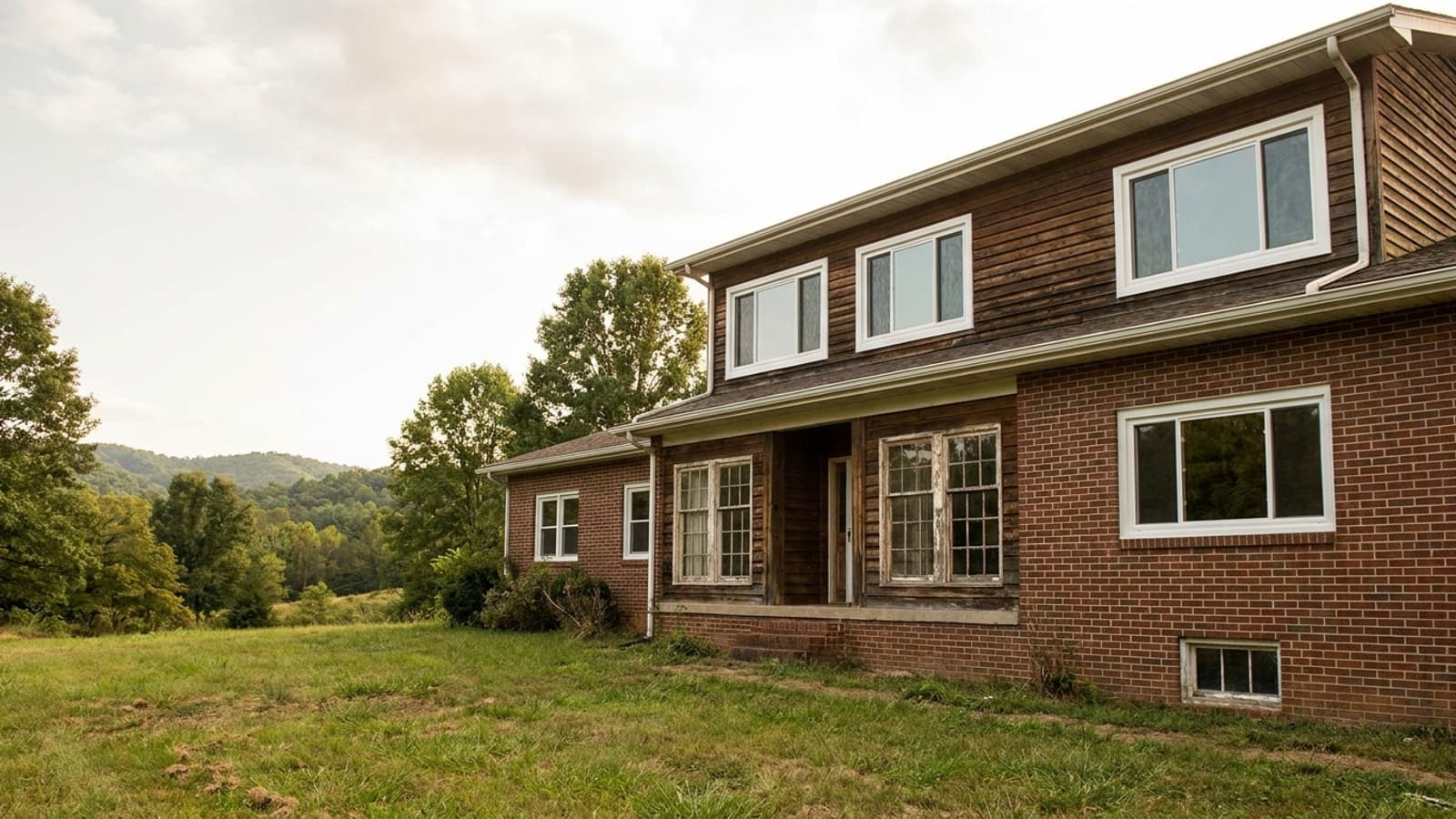
This is where a like-for-like swap can quietly go wrong. A new window installed inside the old frame has thicker frame material than the original single-pane unit, so the clear opening shrinks. An old aluminum slider that barely met egress in 1978 may not meet it once an insert goes in. The fix is usually a full-frame replacement in that specific opening, or a slightly larger unit — but you have to catch it at the measure, not at the inspection.
Tempered and safety glazing
Code requires safety glazing in defined hazardous locations: glass in and immediately beside doors, glass close to the floor, glass near stair landings, and glass within a set distance of a tub, shower, hot tub or pool deck. Bathroom windows over a tub are the ones homeowners most often forget.
Tempered glass costs more than standard annealed glass, and it has to be ordered that way — you cannot temper a pane after the fact. When a quote is written without tempering flagged on the bathroom window, either the price goes up later or the wrong glass shows up. Ask which openings on your quote are specified tempered.
Attachment, flashing and air sealing
The inspector wants the unit fastened per the manufacturer's instructions, integrated with the water-resistive barrier, and sealed and insulated at the perimeter. This is the part where installation quality and code compliance are the same conversation. Andersen Certified, AAMA Gold Label and Installation Masters credentials all describe the same thing from different angles: installing to the specification the warranty is written against.
What about historic districts and neighborhood review?
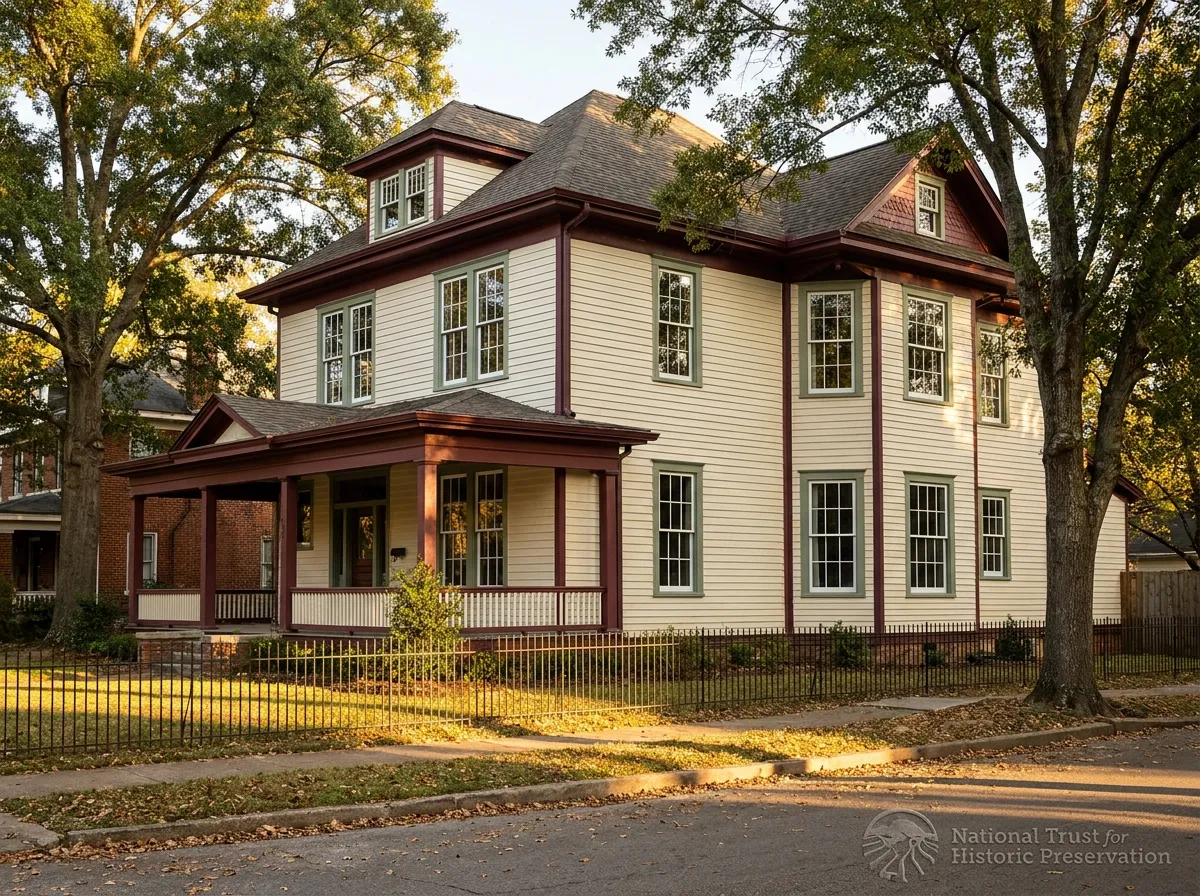
Several neighborhoods across our service area sit in historic overlay districts or have architectural review requirements. In those areas the building permit is only half of it. A separate design review may govern sash configuration, grille pattern, frame material and exterior color — and that review has its own meeting schedule, which is usually the longest single item in the timeline.
Start that conversation early. A design review board that meets monthly can add weeks to a project that would otherwise be scheduled in days. We pull that added review as part of full service, but the calendar belongs to the district, not to us.
Do older homes have extra requirements?
Homes built before 1978 fall under the EPA's Renovation, Repair and Painting rule when work disturbs painted surfaces — and window replacement always disturbs painted surfaces. That means containment, specific work practices and cleanup verification.
Patriots' Pride is Lead Safe Certified and EPA Accredited, so this is handled on the job rather than treated as an obstacle. It is worth confirming with any contractor working on an older home, because the requirement applies to the work regardless of who performs it.
Does permitting change the cost or the timeline?
Fees are set by each jurisdiction and vary widely, so we will not quote a number here that would be wrong for most readers — your building department publishes its schedule. What we can tell you is how it fits the project.
Replacement windows are built to your openings, so the manufacturing window is the long pole in the schedule. Permitting typically runs in parallel with that build time rather than after it, which is why permitted jobs and unpermitted jobs usually install on similar dates. Historic review is the exception noted above.
On the money side, our published range is $700 to $2,200 per window installed, and the itemized figure comes from the free in-home estimate. If the total is more than you want to pay out of pocket at once, financing through GreenSky® includes no-interest options if paid in full within 6, 15 or 18 months and fixed-rate terms from 6.99% APR, with zero down for most approved homeowners.
What should you ask before you sign?
Four questions get you most of the way:
- Is this project permitted, and who pulls it? You want a clear yes and a name.
- Which openings are egress, and does the new unit still meet it? Bedrooms and finished basements especially.
- Which openings are specified tempered? Bathrooms, doors, stairs, low glass.
- What happens if the crew finds rot at tear-out? You want the answer before the wall is open.
The warranty conversation belongs here too. The Patriot's Promise covers windows for a lifetime on material and labor, transferable once and prorated after. When you compare quotes, ask specifically for the labor term — a lifetime material warranty paired with a one-year labor warranty is a much weaker promise than it sounds, and permitted, inspected, spec-compliant installation is what keeps a manufacturer warranty intact in the first place.
Your next step
Call your city or county building department and ask what they require for window replacement at your address — that is the authoritative answer and it is free. Then schedule a free in-home estimate. We measure every opening, flag the ones that are egress or need tempered glass, tell you which openings should be insert and which should be full-frame, and give you one itemized price. If the project needs a permit, we pull it.
No homeowner left behind.