Short answer
Doing the whole house at once is usually the better value, because you pay for one mobilization, one crew, one matched set of windows and one warranty date. Phasing makes sense when the budget genuinely will not stretch, and the right way to phase is by elevation and by which openings are failing, not by picking one window in each room. If you do split the job, hold the same product line and glass package so the second phase matches the first.
Replacing every window in one project is the better value for most homes, and the reason is simple arithmetic rather than a sales preference. A crew that sets up once, works one house and finishes in one or two days spreads its fixed costs across every opening on the job. Split that same house into three visits over four years and you pay those fixed costs three times, on three different price sheets, with three different material lots.
That said, phasing is a legitimate plan and plenty of homeowners do it well. The version that goes badly is the one with no plan behind it — a window here, a window there, chosen by whichever room annoyed someone most that month. This post is about how to decide, and how to phase correctly if that is the call.
Is it actually cheaper to replace all the windows at once?
Per opening, yes. Replacement windows in our market run about $700 to $2,200 per window installed, and that figure covers the unit, the labor, the sealing, the trim and the cleanup. Within that range, the same window in the same opening tends to price better as part of a whole-house order than as a single unit on its own visit, because the crew day, the measure trip, the permit and the delivery are absorbed by more openings.
There is also a scheduling reality. A typical 12 to 18 window job puts the crew at your house for one to two days. Three phases of five windows do not take one-third of that time each — each phase carries its own setup, its own protection of the work area, its own final walk-through and its own cleanup.
What does phasing actually cost you beyond the price sheet?
You pay for the visit more than once
Every separate project includes getting a crew, a truck and materials to the house, plus the measure appointment that has to happen before anything is manufactured. Those costs do not shrink because the phase is small.
The price you were quoted does not carry forward
A quote is good for the project it was written for. Two years later, the second phase is priced at whatever the material costs then. Nobody can promise you 2026 pricing on 2029 work, and any company that does is telling you something it cannot control.
Matching gets harder every year
Manufacturers revise colors, hardware finishes and frame profiles. A white vinyl frame from one production year is usually close enough to a later one, but a specific exterior color, a black frame, a particular grid pattern or a wood-grain interior is where a mismatch shows up on the wall. If a phased plan matters to you, write down the exact series, color, glass package and grid spec on phase one.
The energy and comfort gain is partial until the job is done
The room with the new window is noticeably better. The room next to it is exactly as it was. If your goal is a whole-house change in how the place feels in August, a partial replacement delivers a partial result, and it is worth being honest with yourself about that before you start.
When is phasing the right call?
There are real cases where a few at a time is the correct decision:
- The budget genuinely will not stretch and the worst windows cannot wait. Rotted sills and sashes that will not lock are a now problem. Five openings fixed this year beats twenty openings put off for three.
- Only part of the house has failing windows. A 1985 house where the back addition was re-windowed in 2015 does not need those units touched.
- One elevation takes all the weather. West- and south-facing walls carry the cooling load and the sun damage here. Doing that side first is a defensible plan on its own merits.
- A remodel is coming. If the kitchen is getting reworked in two years and the window openings may change size, leave those openings out of phase one.
- You are testing a company. Starting with a few openings to see how a crew works is a reasonable thing to do, and no installer worth hiring should object to it.
How the two approaches compare
| Factor | All at once | Phased, a few at a time |
|---|---|---|
| Cost per opening | Lower — fixed costs spread across the job | Higher — setup and measure repeat each phase |
| Future pricing | Locked for this project | Re-priced at each phase, at market |
| Matching across the house | Guaranteed, one production lot | Requires the same series and spec, and can still drift |
| Crew time at your house | One to two days total for 12 to 18 windows | A separate visit for every phase |
| Comfort and cooling gain | Whole house at once | Room by room, partial until complete |
| Warranty start date | One date for every window | A separate date per phase |
| Disruption | Concentrated, then done | Repeated, spread over years |
| Best fit | Most homes | Tight budget, mixed-age windows, coming remodel |
How should you split the job if you phase it?
Split by elevation, not by room
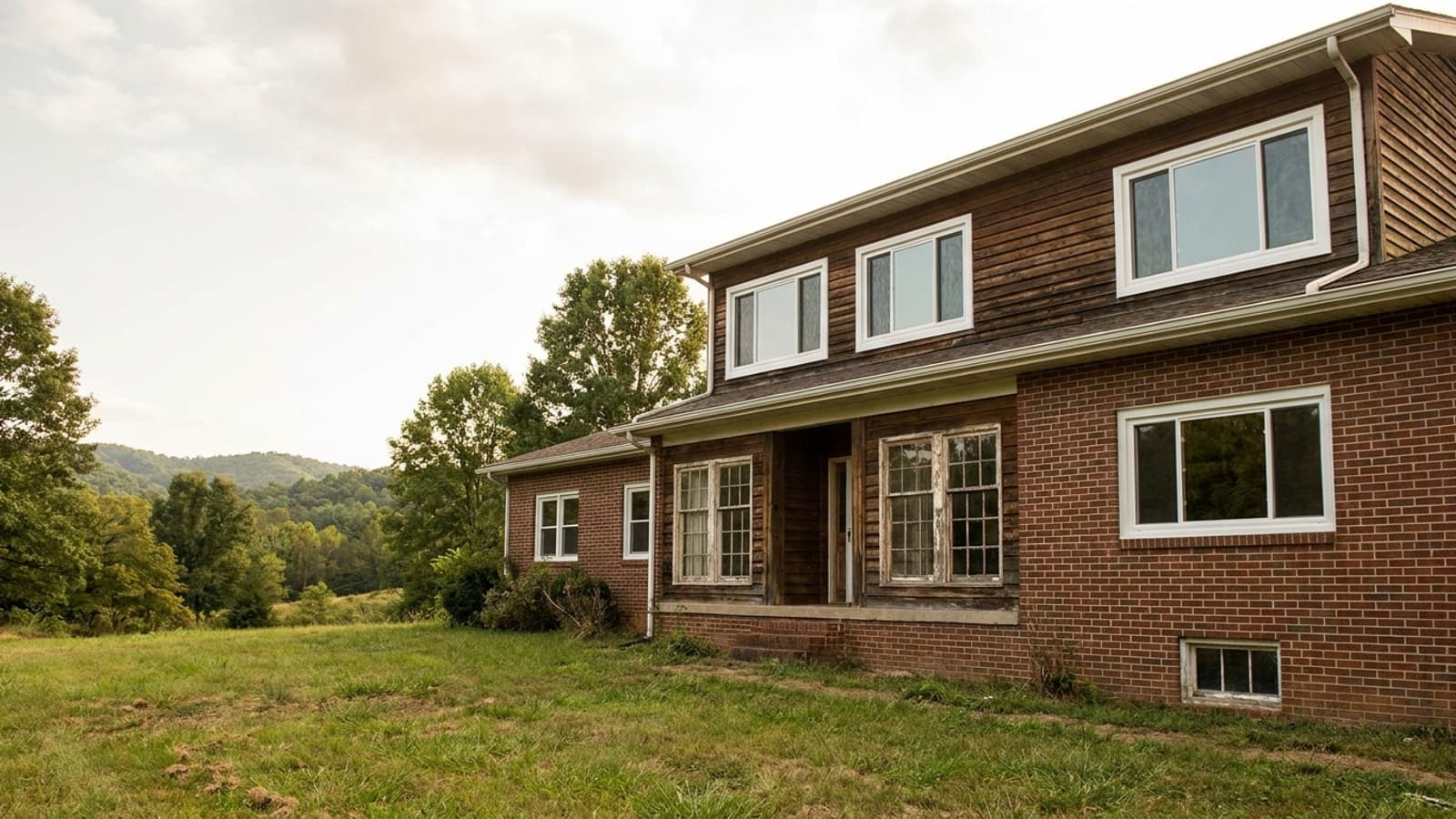
The single biggest mistake in a phased project is replacing one window on each of four walls. Now every elevation is mismatched, and the house looks unfinished from every angle. Take a whole wall at a time. The street-facing elevation and the side that takes the afternoon sun are the two best places to start — one is what everybody sees, the other is what your air conditioner is fighting.
Let condition break the tie
Within an elevation, the openings that come first are the ones actually failing: fog between the panes, soft or rotted sills, sashes that will not stay up or will not lock, drafts you can feel with the window shut. A cosmetic complaint is not a phase-one item.
Fix the spec once and keep it
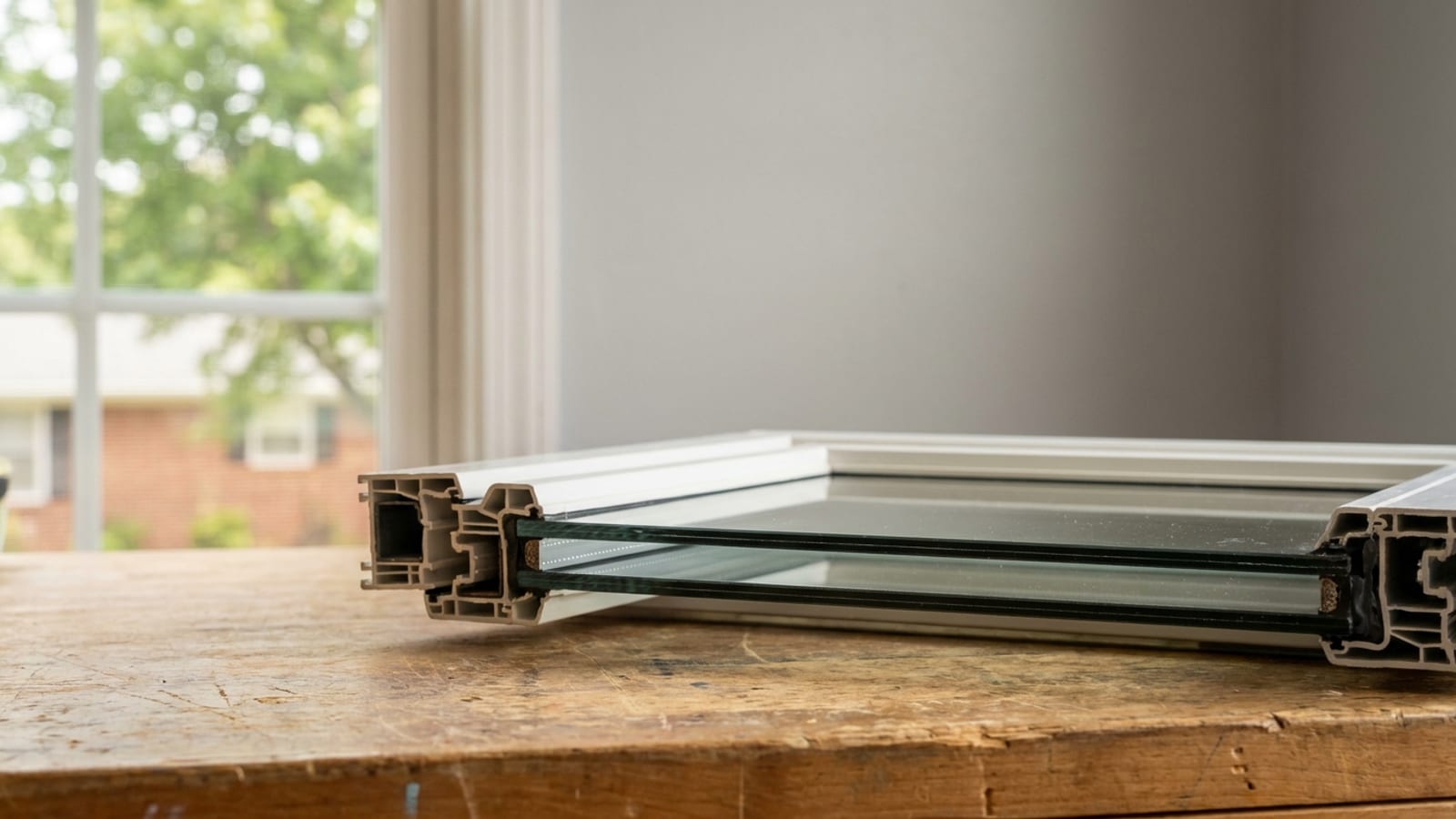
Decide the frame material, the series, the exterior and interior color, the grid pattern and the glass package at the first estimate — and get those written on the contract. In this climate that means paying attention to solar heat gain coefficient, because cooling load is what drives bills here. Keep that same spec in writing for later phases.
Decide insert versus full-frame opening by opening
An insert drops the new unit into a sound existing frame. Full-frame goes to the rough opening and rebuilds it, which is required where the sill is rotted or the frame is out of square. Many houses correctly get a mix, and a phased plan does not change that — it just means the decision gets made twice.
Does phasing change the warranty?
Not the terms, but it does change the dates. Our windows carry a lifetime material and labor warranty under the Patriot's Promise, transferable one time and prorated after that. Each phase starts its own clock and each has its own paperwork, so keep the documents together in one folder with the product spec sheet from phase one. When you compare any quote, read the labor term specifically — a lifetime material warranty paired with a one-year labor warranty is a much weaker promise than it sounds, and that matters more when a house is covered by two or three separate agreements.
Does financing change the math?
Often it does, and this is the question worth asking before you commit to phasing. The reason most homeowners split a window project is cash flow, not preference. Spreading one whole-house project over monthly payments does the same thing phasing does, without paying for three mobilizations or gambling on future pricing.
We offer financing through the GreenSky program, including no-interest-if-paid-in-full plans at 6, 15 or 18 months and fixed rates starting at 6.99% APR, with zero down for most approved homeowners, subject to credit approval. The promotional plans reward a payoff date you can realistically hit; the fixed-rate terms are for spreading it out on purpose. Either way, the comparison to run is not "all at once versus a few" — it is "one project financed versus three projects paid in cash at three different price points."
One thing not to build into the math: there is no federal tax credit for windows placed in service after December 31, 2025. Budget without it.
What is the next step?
Get the whole house measured and quoted, even if you already know you are phasing. One itemized number per opening tells you what the full project costs, which openings are the urgent ones, and where a natural phase break falls. From there you can decide to do it in one project or two, with real numbers instead of estimates in your head.
Schedule a free in-home estimate at /get-estimate/. An estimator measures every opening you want quoted, checks the condition of the frames and sills, walks the product and glass options with you, and leaves you with an itemized price. It is a sales appointment, and it is also the only way anyone can give you a real number instead of a guess.